

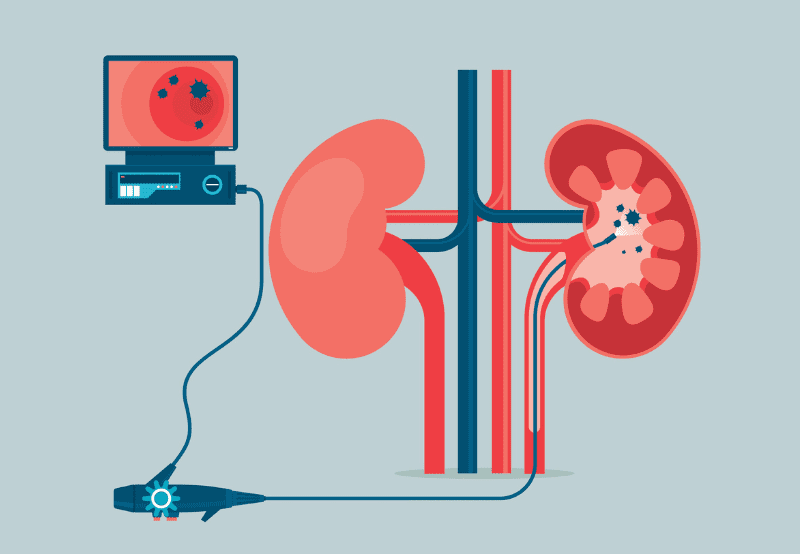
Ureteroscopy (URS) is a minimally invasive procedure used to diagnose and treat conditions affecting the ureters and kidneys, most commonly ureteral or kidney stones. It involves the use of a thin, flexible or rigid scope called a ureteroscope, which is passed through the urethra and bladder and into the ureter to directly visualize and treat the affected area.
When Ureteroscopy Is Used
- Kidney Stones: To locate and remove or break up stones that are stuck in the ureter or collecting system of the kidney.
- Ureteral Strictures: To evaluate or treat narrowing of the ureter.
- Suspicious Lesions or Tumors: For biopsy or further evaluation.
- Unexplained Hematuria: To investigate the source of blood in the urine.
What to Expect During the Procedure
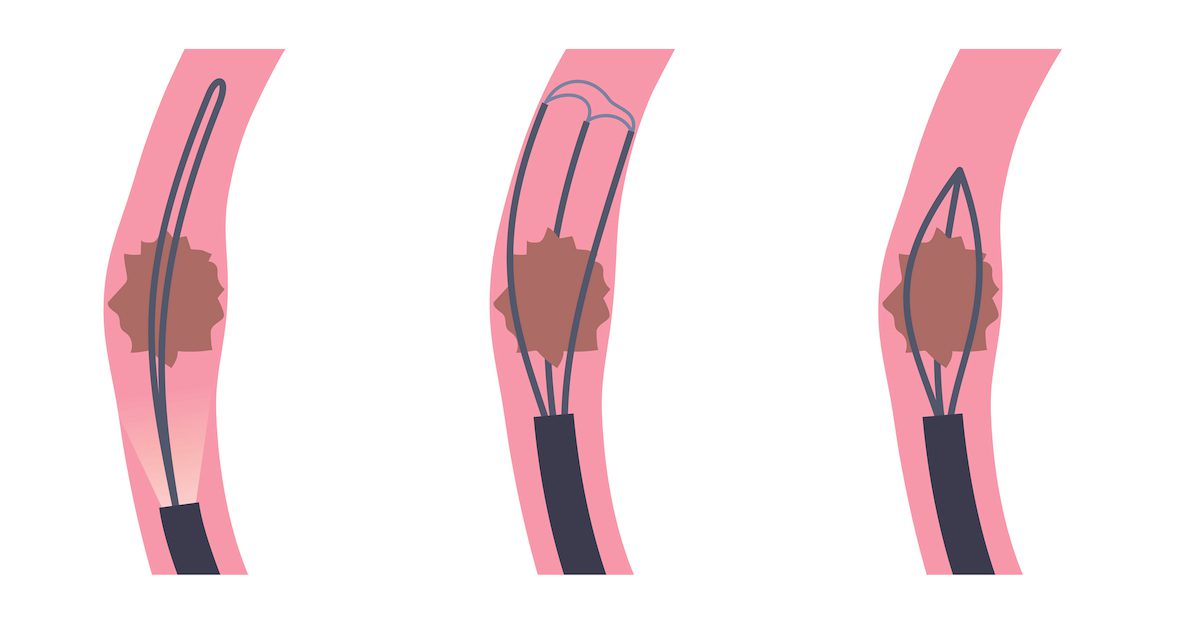
The patient is placed under general or spinal anesthesia. A ureteroscope is inserted through the urinary tract without any incisions. If stones are found, they may be fragmented using a laser (such as Holmium:YAG) and removed with a small basket. A ureteral stent is often placed after the procedure to help the ureter heal and allow urine to drain properly.
Benefits of Ureteroscopy
- No incisions or cuts
- Short recovery time
- Effective for small to medium-sized stones
- Can be performed as an outpatient procedure
Recovery and Follow-Up
Most patients experience mild urinary discomfort, urgency, or blood in the urine for a few days. If a stent is placed, it is typically removed after a few days to a week. The stent can result in temporary symptoms including flank pain, frequent or urgent urination, or blood in the urine. Patients may be advised to drink plenty of fluids and avoid strenuous activity temporarily. Follow-up imaging may be ordered to ensure stone clearance or assess healing.
Ureteroscopy is a safe and effective method for treating urinary tract conditions, especially stones that do not pass on their own or are causing pain, infection, or obstruction.