

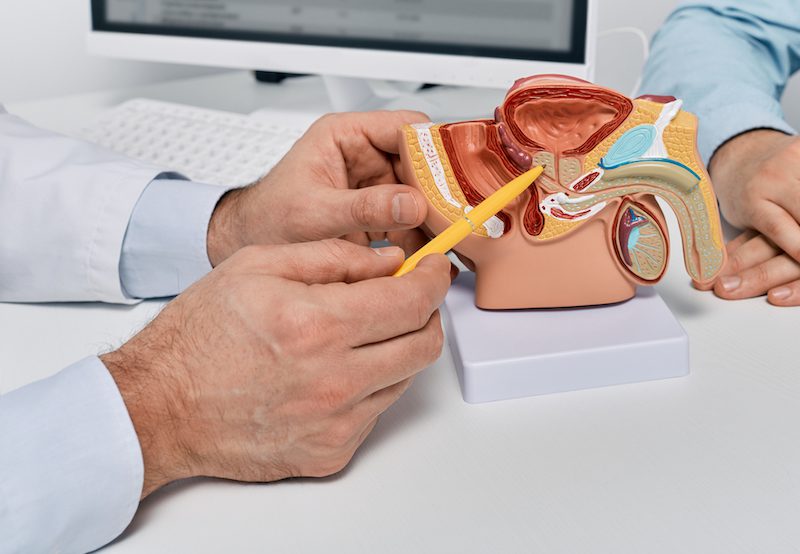
A prostate evaluation is an essential component of men’s health, particularly for those over the age of 50 or individuals experiencing urinary symptoms. It helps identify common prostate conditions such as benign prostatic hyperplasia (BPH), prostatitis, and prostate cancer. Early detection and ongoing monitoring play a key role in managing prostate-related conditions effectively.
When Is Prostate Evaluation Recommended?
A prostate evaluation may be recommended if you are experiencing:
- Difficulty starting or stopping urination
- Weak urine stream
- Frequent urination, especially at night
- Blood in the urine or semen
- Pain in the pelvic area or lower back
- Elevated prostate-specific antigen (PSA) levels
- A family history of prostate cancer

What Does Prostate Evaluation Include?
A comprehensive prostate evaluation typically involves:
- Medical History and Symptom Review: Your urologist will assess any current urinary symptoms, personal and family history of prostate issues, and general health status.
- Digital Rectal Exam (DRE): A quick, in-office exam where the physician feels the prostate through the rectal wall to assess its size, shape, and any irregularities.
- Prostate-Specific Antigen (PSA) Test: A blood test used to measure levels of PSA, a protein produced by the prostate. Elevated PSA levels can indicate inflammation, enlargement, or cancer.
- Urinalysis and Urine Flow Studies: These may be used to detect infection, blood in the urine, or issues with urinary flow.
- Imaging or Biopsy (If Indicated): In some cases, additional tools such as MRI or transrectal ultrasound (TRUS) may be used for detailed imaging. A biopsy may be recommended if cancer is suspected.
Why Prostate Evaluation Matters
Regular prostate evaluations help detect abnormalities before they progress into serious conditions. For example, prostate cancer in its early stages may have no symptoms, making screening a critical preventive tool. Likewise, BPH and prostatitis can significantly affect quality of life but are manageable with proper diagnosis and care.
Ongoing Monitoring and Care
Depending on the findings, your urologist may recommend active surveillance, lifestyle changes, medications, or further diagnostic tests. Men at increased risk—such as those with a family history of prostate cancer or of African American descent—may need earlier or more frequent evaluations.
A timely prostate evaluation provides peace of mind and, when needed, a path to effective treatment tailored to your health needs.