
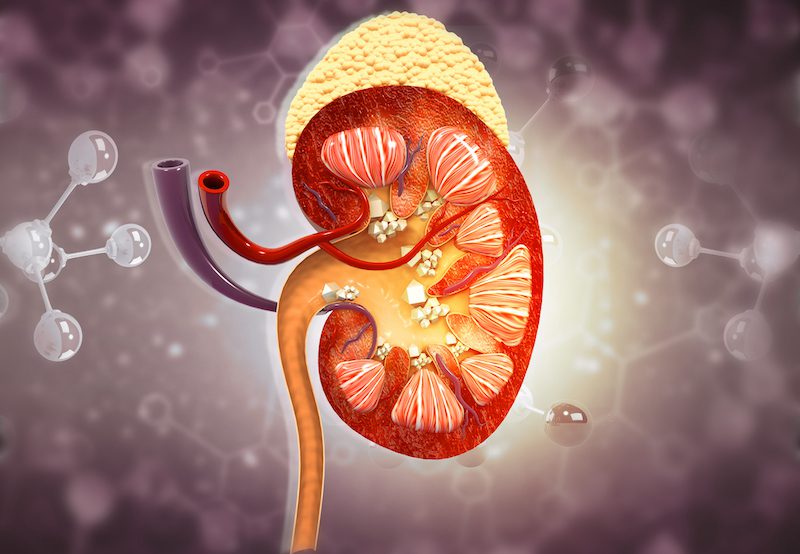
Percutaneous Nephrolithotomy (PCNL) is a minimally invasive surgical procedure used to remove large or complex kidney stones that cannot be effectively treated with other methods like shockwave lithotripsy or ureteroscopy. It is considered the gold standard for managing stones that are too large (typically greater than 2 cm), hard, or located in a position that prevents them from passing naturally.
When Is PCNL Recommended?
PCNL is typically advised for patients with:
- Large kidney stones (>2 cm)
- Staghorn calculi (branched stones filling the renal pelvis and calyces)
- Stones resistant to other treatments
- Multiple stones in different parts of the kidney
- Anatomical abnormalities that limit stone clearance
How the Procedure Works
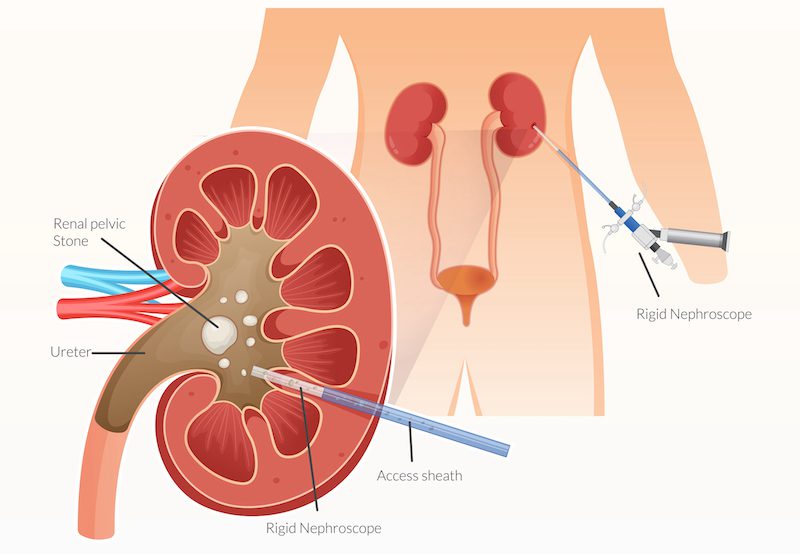
PCNL is performed under general anesthesia. The surgeon makes a small incision in the back to access the kidney directly. A tract is created through which a nephroscope is inserted to locate the stone. Specialized instruments are used to break the stone into smaller fragments, which are then removed.
Ultrasound, X-ray, or CT imaging is often used to guide the procedure for precision. In many cases, a temporary nephrostomy tube is placed to drain urine and ensure kidney function while healing occurs.
Advantages of PCNL
- High stone-free success rates, even for complex cases
- Minimally invasive with smaller incisions than open surgery
- Faster recovery time compared to traditional open procedures
- Reduces the need for multiple procedures when stones are large or numerous
Risks and Recovery
As with any surgical procedure, PCNL carries some risks, including bleeding, infection, or injury to surrounding structures. However, complications are relatively uncommon. Most patients remain in the hospital for 1–2 days after the procedure. A follow-up visit is typically scheduled to monitor healing and confirm complete stone removal with imaging.
Is PCNL Right for You?
PCNL is ideal for patients with large or complex kidney stones who require a definitive treatment option. A urologist will evaluate your stone burden, kidney anatomy, and overall health to determine if PCNL is the most effective and appropriate choice.
With expert surgical care and proper post-operative management, most patients experience significant relief and a low likelihood of stone recurrence following PCNL.