
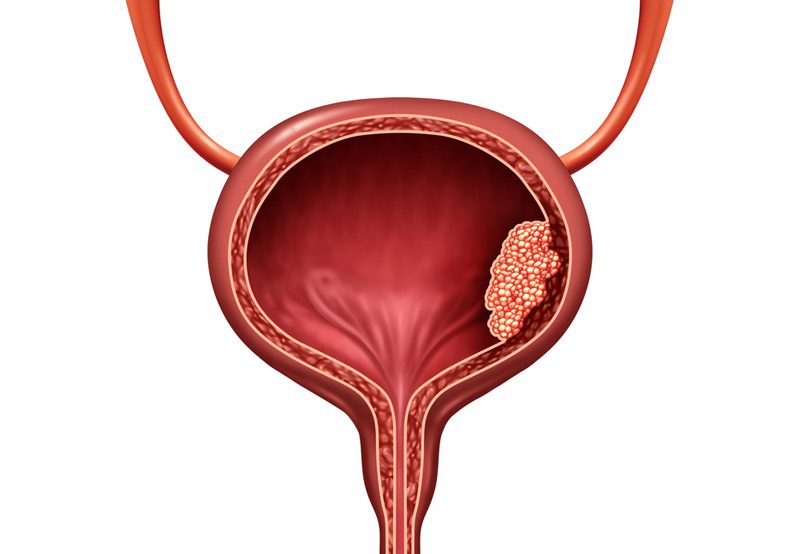
Cystoscopy is a minimally invasive procedure that allows a urologist to directly examine the inside of the bladder and urethra using a thin, lighted instrument called a cystoscope. It’s a key diagnostic and sometimes therapeutic tool used to evaluate urinary symptoms and monitor various urologic conditions.
Why Cystoscopy Is Performed
Cystoscopy may be recommended to:
- Investigate blood in the urine (hematuria)
- Evaluate frequent urinary tract infections (UTIs)
- Identify causes of urinary incontinence or urgency
- Assess incomplete bladder emptying or urinary retention
- Examine urethral strictures, bladder tumors, or stones
- Monitor for recurrence of bladder cancer
- Diagnose structural abnormalities or inflammation
The Procedure
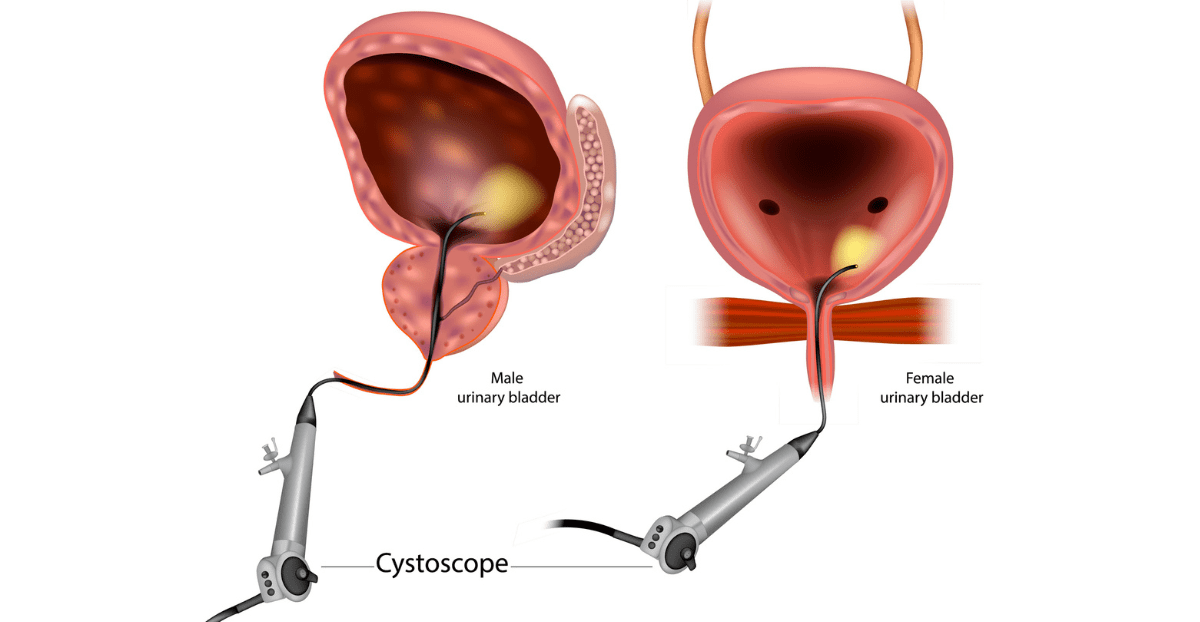
Cystoscopy can be done in a clinic or hospital setting. The procedure typically follows these steps:
- The patient lies on their back, and a numbing gel is applied to the urethra.
- A flexible or rigid cystoscope is gently inserted through the urethra into the bladder.
- Sterile fluid is used to fill the bladder, allowing the walls to be clearly seen.
- The urologist inspects the urethra and bladder lining for any abnormalities.
Flexible cystoscopes are often used in outpatient settings for diagnostic purposes, while rigid scopes are more commonly used for procedures such as biopsies or stone removal.
What to Expect
The procedure usually takes less than 5 minutes for diagnostic purposes. Most patients experience only mild discomfort, although local or general anesthesia may be used depending on the reason for the exam.
After the procedure, it’s common to have:
- A burning sensation with urination for a day or two
- An increased urge to urinate
- Slightly blood-tinged urine
These symptoms typically resolve quickly. Drinking extra fluids may help ease irritation.
Risks and Considerations
Cystoscopy is generally safe, but like all medical procedures, it carries minimal risk, including:
- Urinary tract infection
- Mild bleeding
- Temporary difficulty urinating
If symptoms worsen or fever develops after the procedure, patients should contact their urologist.
Cystoscopy is a valuable tool for gaining real-time insights into urinary health and guiding decisions on further treatment when needed.