
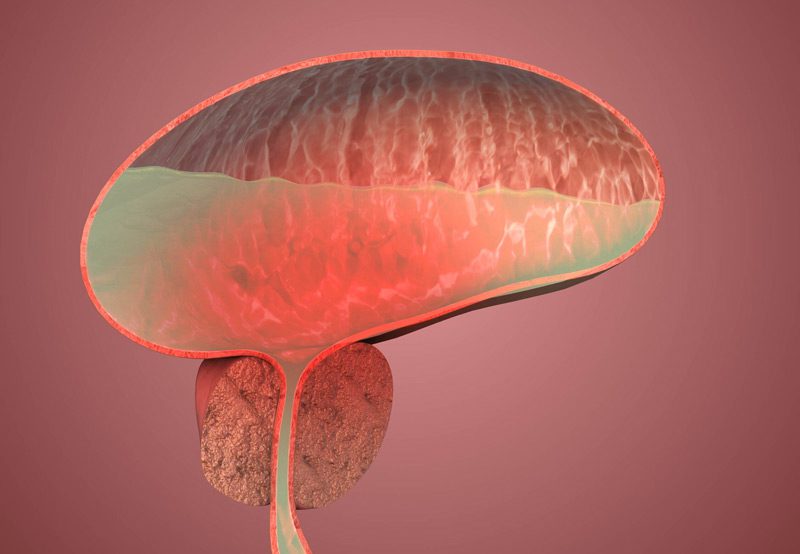
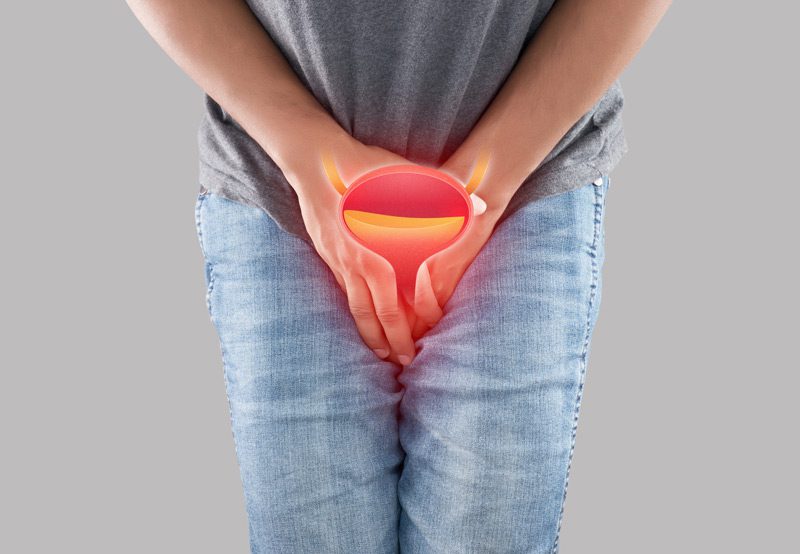
Urinary retention is the inability to fully empty the bladder, either partially or completely. It can occur suddenly (acute retention) or develop gradually over time (chronic retention). Although it can affect anyone, it is more common in men due to prostate-related obstruction.
Causes
- Benign Prostatic Hyperplasia (BPH): An enlarged prostate can narrow the urethra and block urine flow.
- Urethral Stricture: Scar tissue in the urethra can reduce urinary passage.
- Neurologic Disorders: Conditions such as spinal cord injury, multiple sclerosis, or stroke may impair bladder nerve signaling.
- Medications: Antihistamines, decongestants, antidepressants, anticholinergics, and opioid pain medications may interfere with bladder emptying.
- Bladder Stones or Tumors: Physical obstruction can prevent normal urine flow.
- Postoperative Effects: Anesthesia and surgical swelling may temporarily affect bladder function.
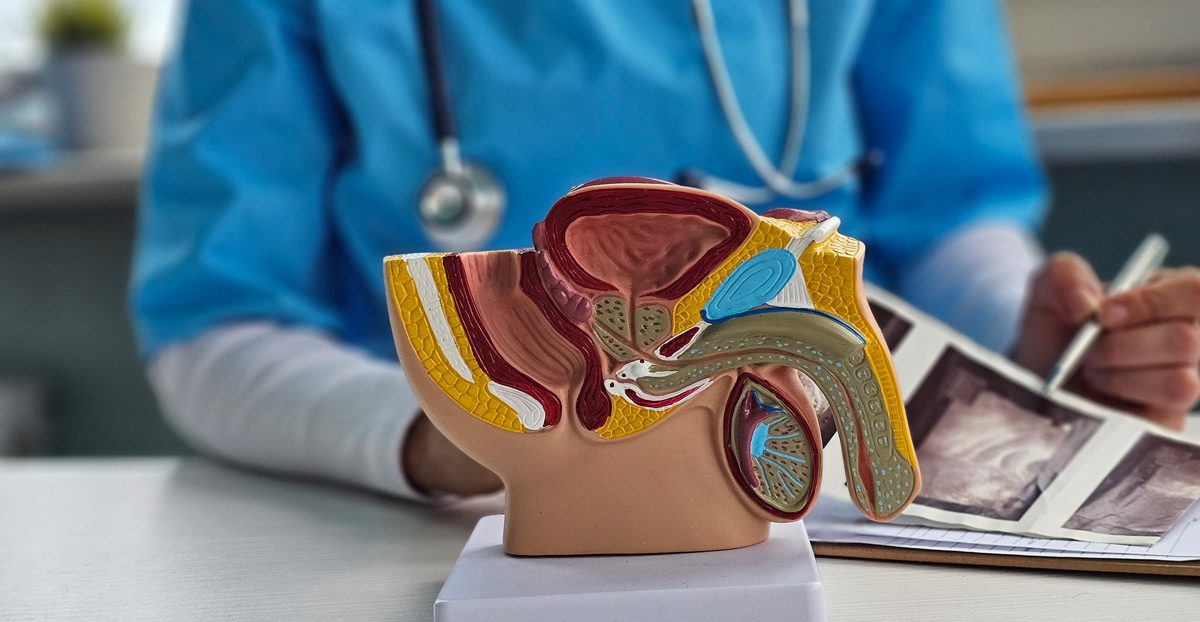
Symptoms
Symptoms vary depending on whether retention is acute or chronic:
- Acute Retention: Sudden inability to urinate, severe lower abdominal pain, fullness, and bladder distension—this is a medical emergency.
- Chronic Retention: Weak urine stream, frequent small-volume voids, urinary urgency, nighttime urination, or a persistent feeling of incomplete emptying.
Diagnosis
Evaluation often includes:
- Physical Exam: To check for bladder distension or prostate enlargement.
- Bladder Scan or Ultrasound: Measures post-void residual volume (PVR).
- Urinalysis: Rules out infection or hematuria.
- Urodynamic Studies: Assess bladder function.
- Cystoscopy: Direct visualization of the urethra and bladder.
Prostate Specific Antigen (PSA): Blood test to rule out prostate cancer.
Treatment Options
Management depends on the underlying cause and severity:
- Immediate Catheterization: A urinary catheter may be inserted to drain the bladder and relieve pressure.
- Medications: Alpha-blockers to relax prostate and bladder neck muscles or 5-alpha-reductase inhibitors for prostate shrinkage in BPH.
Minimally Invasive Procedures
- Urethral dilation or internal urethrotomy for urethral strictures.
- HoLEP (Holmium Laser Enucleation of the Prostate) or Aquablation for men with BPH-related urinary obstruction—effective, durable treatments for moderate to severe enlargement.
Follow-Up and Prevention
Long-term management may include lifestyle changes, timed voiding, pelvic floor therapy, or intermittent catheterization. Regular urologic monitoring is key to preventing complications such as bladder damage, kidney failure, or recurrent infections.