
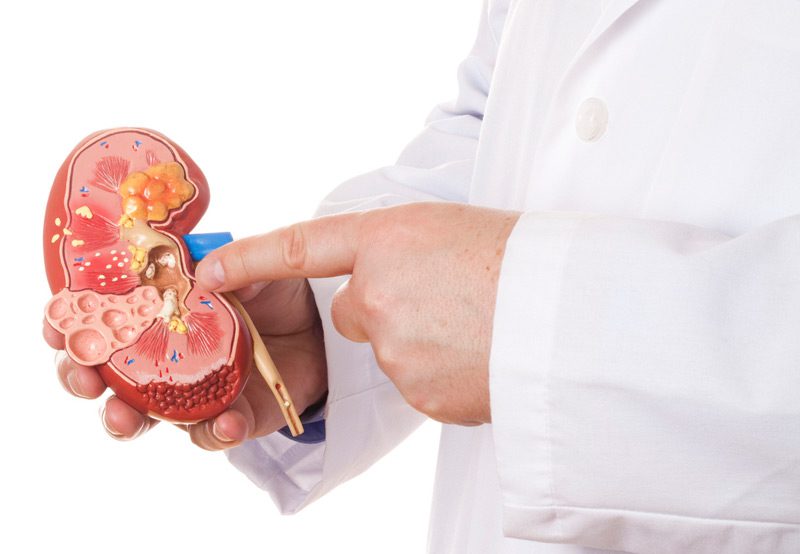
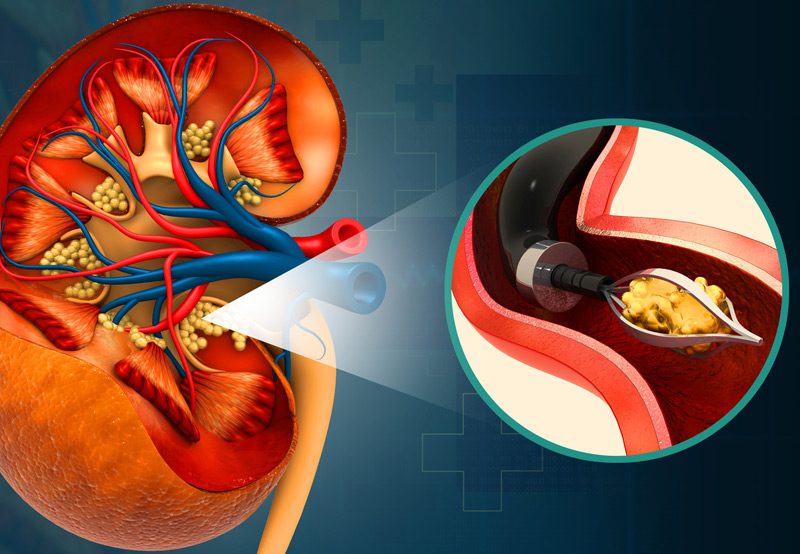
Recurrent stone disease refers to the repeated formation of kidney stones—solid mineral deposits that develop within the urinary tract. Unlike individuals who experience a single stone episode, patients with recurrent stones face ongoing risks of pain, infection, obstruction, and long-term effects on kidney function. A thorough evaluation and personalized prevention plan are essential to reducing future episodes.
Causes of Recurrent Stones
Stone recurrence is often driven by underlying metabolic, anatomical, or lifestyle factors, including:
- Low Fluid Intake: Concentrated urine increases the risk of crystallization.
- Dietary Imbalances: Excess sodium, animal protein, or oxalate-rich foods—and low calcium intake—can promote stone formation.
- Metabolic Disorders: Conditions like hyperparathyroidism, gout, or renal tubular acidosis.
- Urinary Tract Abnormalities: Obstructions or infections that alter urine flow or pH.
- Genetic Predisposition: Family history elevates lifelong risk.

Symptoms
Recurrent stone episodes often present with:
- Sharp intermittent severe flank pain that radiates towards the groin
- Hematuria (blood in urine)
- Nausea and vomiting
- Fever and/or chills
Diagnosis
To identify causes and prevent future stones, a comprehensive evaluation typically includes:
- Imaging: A non-contrast CT scan is the most accurate way to locate and size a stone.
- 24-Hour Urine Collection: Analyzes volume, pH, and levels of stone-forming substances.
- Blood Tests: Check for metabolic abnormalities or kidney function decline.
- Stone Analysis: Composition of passed or surgically retrieved stones to tailor prevention strategies.
Treatment Options
Management includes both treating active stones and preventing future ones:
- Hydration: Increasing fluid intake to produce at least 2–2.5 liters of urine daily.
- Dietary Modification: Personalized recommendations based on stone type and metabolic profile.
- Medications: Thiazide diuretics, potassium citrate, or allopurinol may be prescribed depending on stone type.
- Minimally Invasive Procedures: Stones that do not pass naturally may require shockwave lithotripsy (SWL), ureteroscopy with laser lithotripsy, or percutaneous nephrolithotomy (PCNL) for complex or large stones.
Prevention and Monitoring
Patients with recurrent stones benefit from an individualized and proactive prevention plan. Regular follow-up with imaging, laboratory testing, and lifestyle review helps reduce future stone episodes and preserves long-term kidney function. Collaboration among your urologist—and when appropriate, a nephrologist or dietitian—ensures the most effective long-term management.