
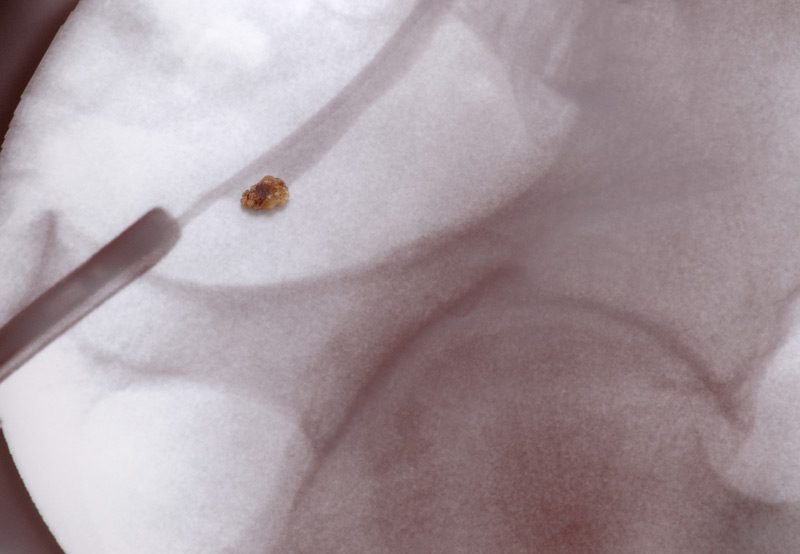

Complex kidney stones refer to large, multiple, or irregularly shaped stones that are difficult to treat with standard techniques. These may include staghorn calculi (stones that fill major portions of the kidney), recurrent stones, or stones that develop in patients with anatomical differences, infections, or metabolic disorders.
Managing complex stones requires specialized expertise to protect kidney function and prevent future complications.
Causes of Complex Kidney Stones
Complex stones often result from one or more of the following:
- Recurrent urinary tract infections (especially with urease-producing bacteria)
- Anatomical abnormalities: Horseshoe kidney, ureteropelvic junction obstruction, or medullary sponge kidney
- Metabolic disorders: Such as hyperparathyroidism, cystinuria, or hyperoxaluria
- Dehydration or low urine volume
- Inadequate treatment or incomplete removal of earlier stones

Symptoms
Some individuals with complex stones may have no symptoms, but some experience:
- Persistent or severe flank pain
- Recurrent urinary tract infections
- Blood in the urine (hematuria)
- Nausea or vomiting
- Fever or chills when infection is present
- Signs of obstruction or decreased kidney function in advanced cases
Diagnosis
A thorough evaluation helps guide the best treatment plan. This may include:
- Non-contrast CT scan: Gold standard for evaluating size, location, and number of stones
- Urinalysis and urine culture: To detect infection or crystals
- Blood tests: To assess kidney function and identify metabolic contributors.
- 24-hour urine testing: To assess stone-forming risk factors
- Imaging studies: To evaluate anatomy, obstruction, kidney function, or hydronephrosis
Treatment Options
Complex kidney stones often require advanced or combined surgical approaches:
Percutaneous Nephrolithotomy (PCNL):
- The gold standard for large or staghorn stones
- Involves creating a small incision in the back to access the kidney and remove stones
- Typically performed under general anesthesia
Ureteroscopy with Laser Lithotripsy:
- Useful for stones in the ureter or selected stones within the kidney
- Uses a thin scope and laser to break stones into small fragments
- Can be combined with PCNL for complete stone clearance
Shockwave Lithotripsy (SWL):
- May be appropriate for some small-sized stones, though often less effective for complex or dense stones
Staged or Combined Procedures:
Multiple sessions may be required for full clearance in select patients
Prevention and Follow-Up
Preventing recurrence is essential, especially for complex stone formers:
- Comprehensive metabolic evaluation
- Dietary modifications tailored to your risk factors
- Increased fluid intake
- Medications to address specific metabolic causes
- Periodic imaging to monitor for new or residual stones
Because complex stones carry a higher risk of kidney damage or repeated infections, they should be managed by a urologist experienced in advanced stone surgery and long-term prevention strategies.