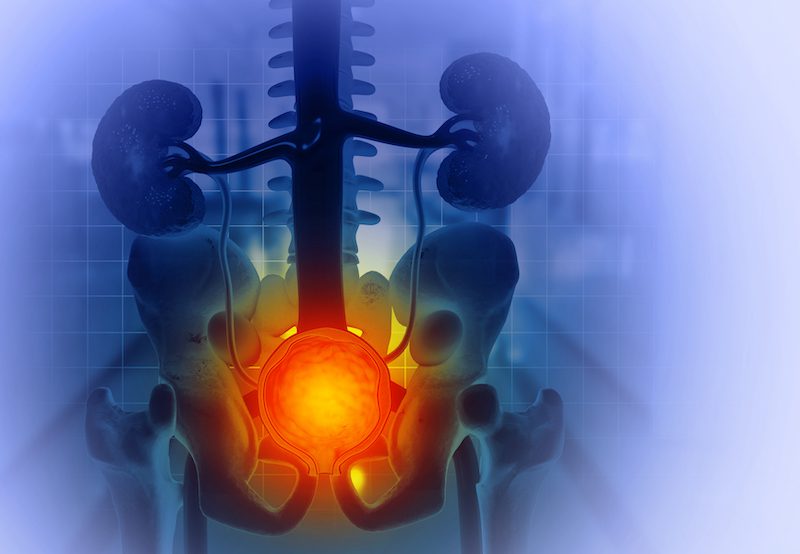
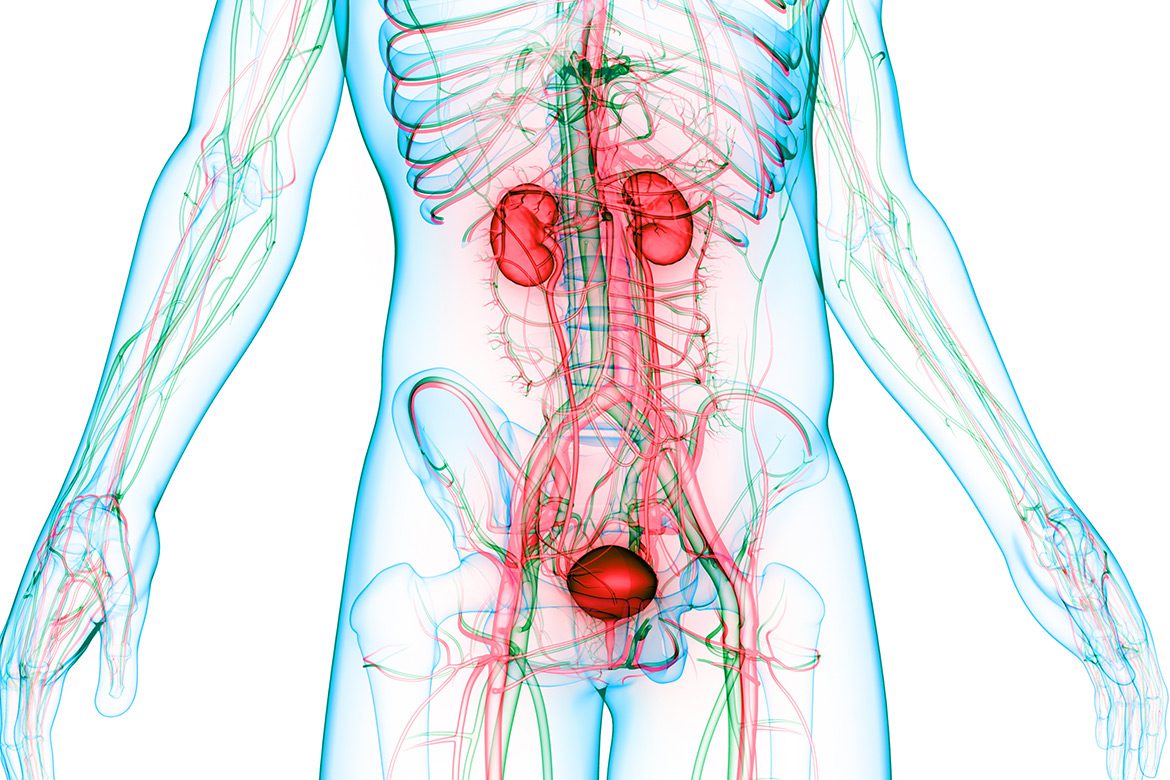
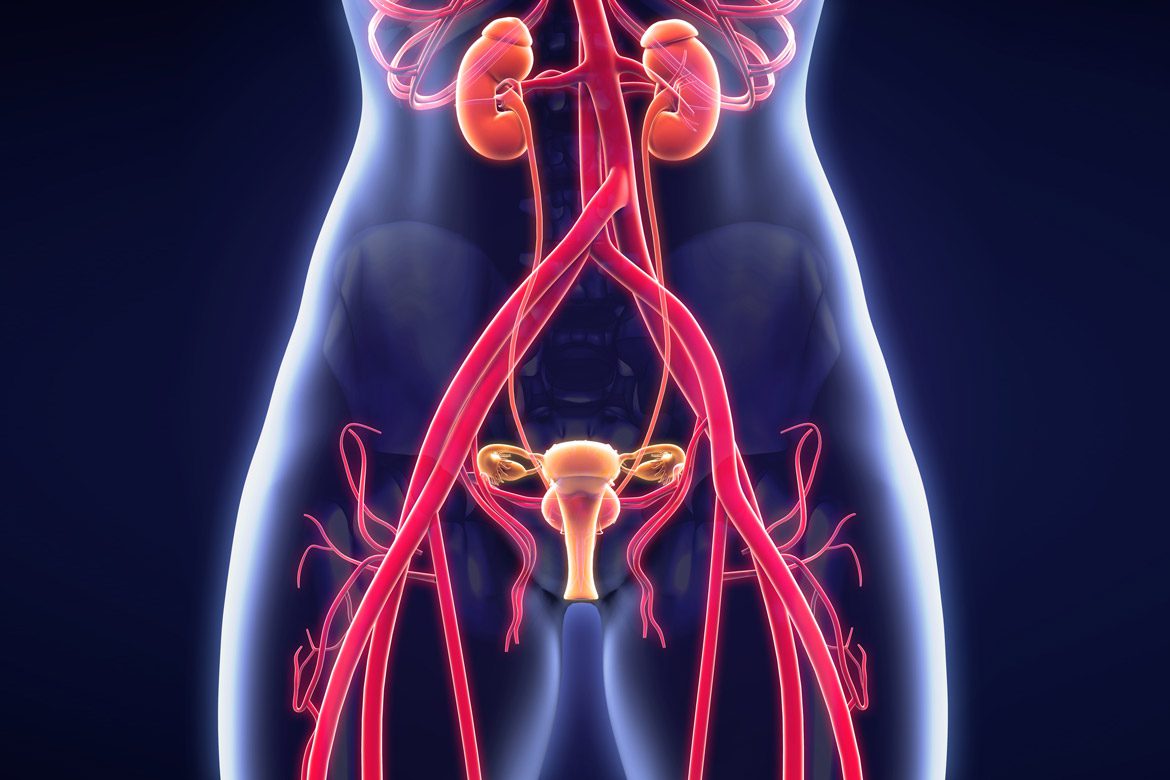
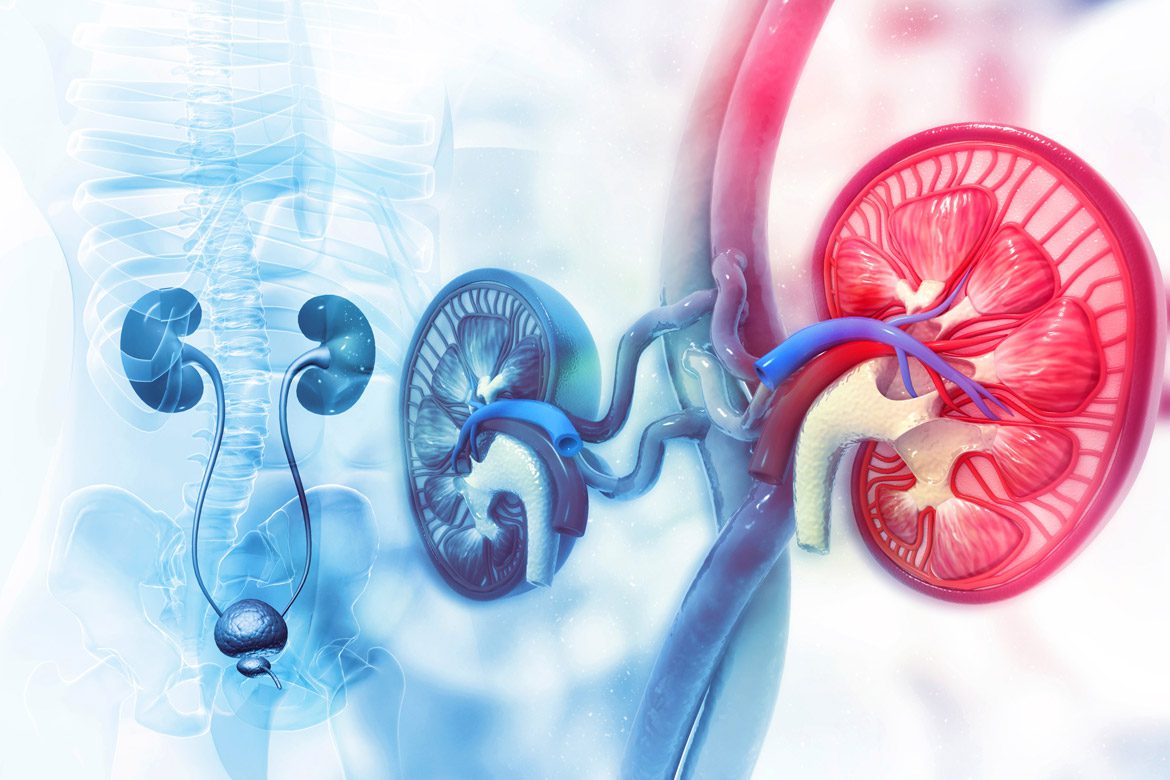
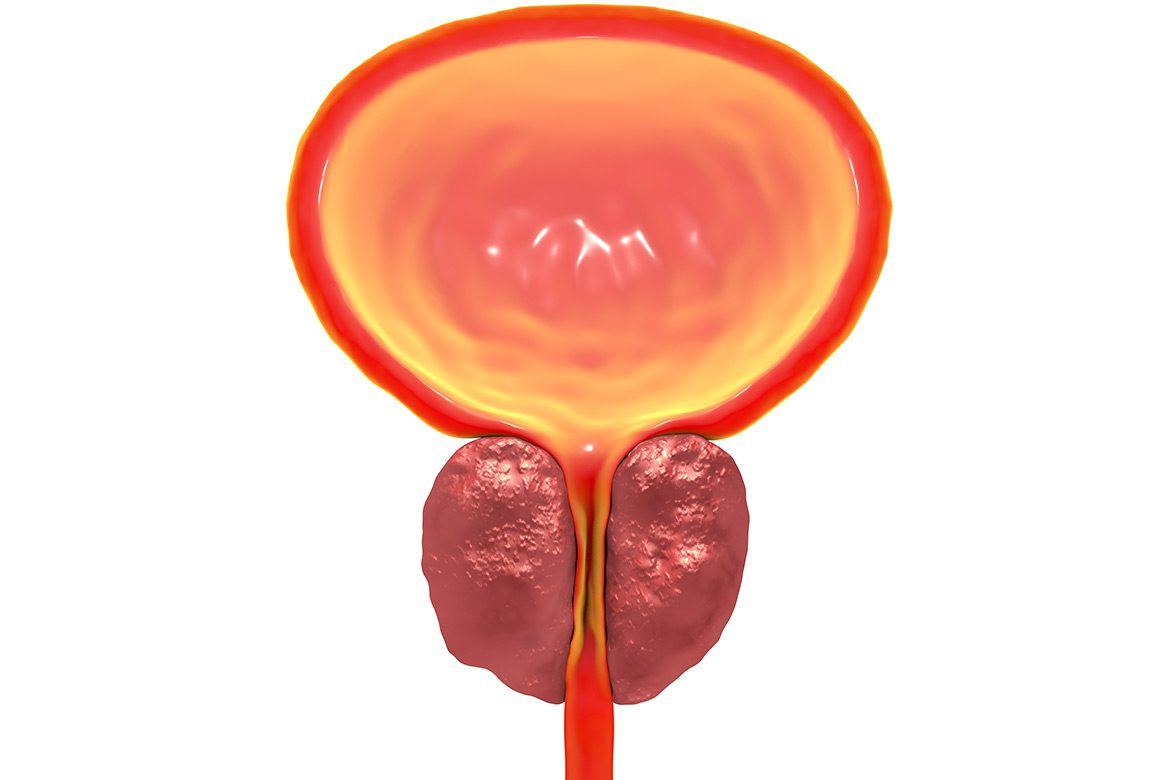
Uroflowmetry and Post-Void Residual (PVR) testing are non-invasive diagnostic tools used to assess urinary function and identify potential causes of lower urinary tract symptoms (LUTS). These tests help evaluate bladder emptying and urinary flow, commonly in patients with conditions like benign prostatic hyperplasia (BPH), urinary retention, neurogenic bladder, or urinary incontinence.
About Uroflowmetry
Uroflowmetry measures the rate and pattern of urine flow. The patient urinates into a specialized device (uroflowmeter) that records the speed of urination, total volume voided, and duration of the stream. This information helps identify abnormal patterns, such as weak or intermittent flow, which may suggest obstruction or bladder dysfunction.

Post-Void Residual (PVR) Testing
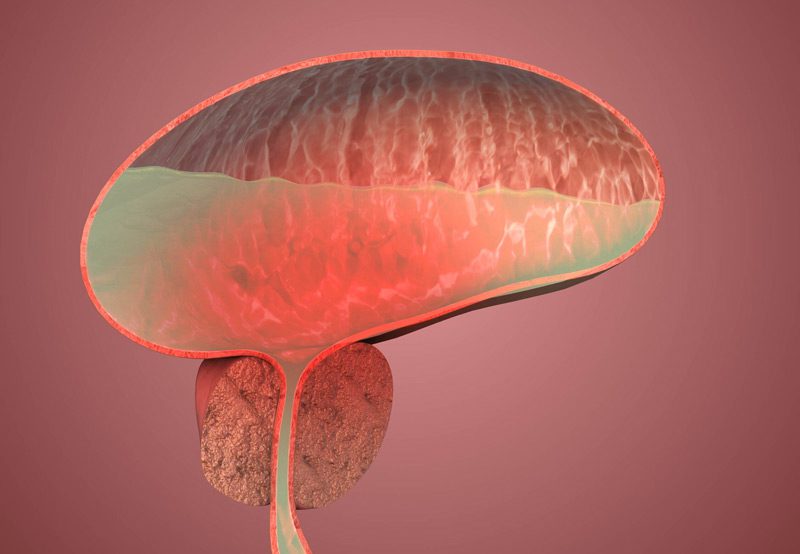
PVR testing determines how much urine remains in the bladder after urination. It is typically performed immediately after uroflowmetry using ultrasound or a catheter. A high PVR volume may indicate incomplete bladder emptying, which can be caused by obstruction, poor bladder muscle contraction, or nerve-related issues.
When These Tests Are Used
- Benign Prostatic Hyperplasia (BPH)
- Urinary retention or weak stream
- Overactive bladder or urgency
- Neurogenic bladder dysfunction
- Recurrent urinary tract infections (UTIs)
- Unexplained incontinence
Benefits
- Non-invasive and quick to perform
- Provides real-time insights into bladder and urinary tract function
- Helps guide treatment decisions for surgical or nonsurgical interventions
- Can be repeated over time to monitor response to treatment
Uroflowmetry and PVR testing are essential components of a comprehensive urologic evaluation and can help pinpoint the cause of urinary symptoms, leading to more effective and personalized treatment plans.