Stone Prevention Counseling

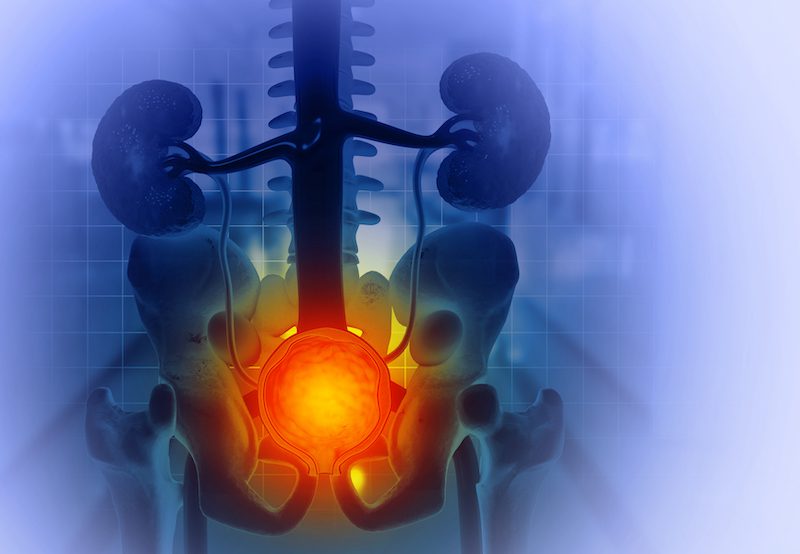
Image-illustrating-kidney-stone-disease
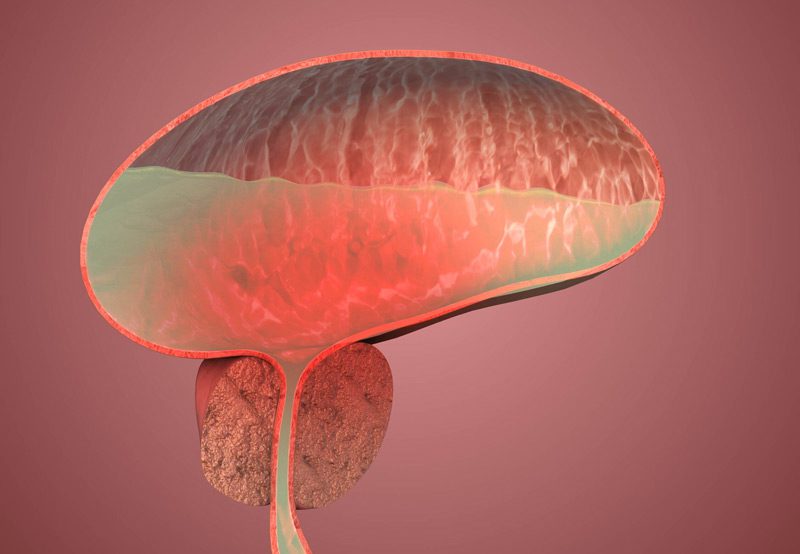
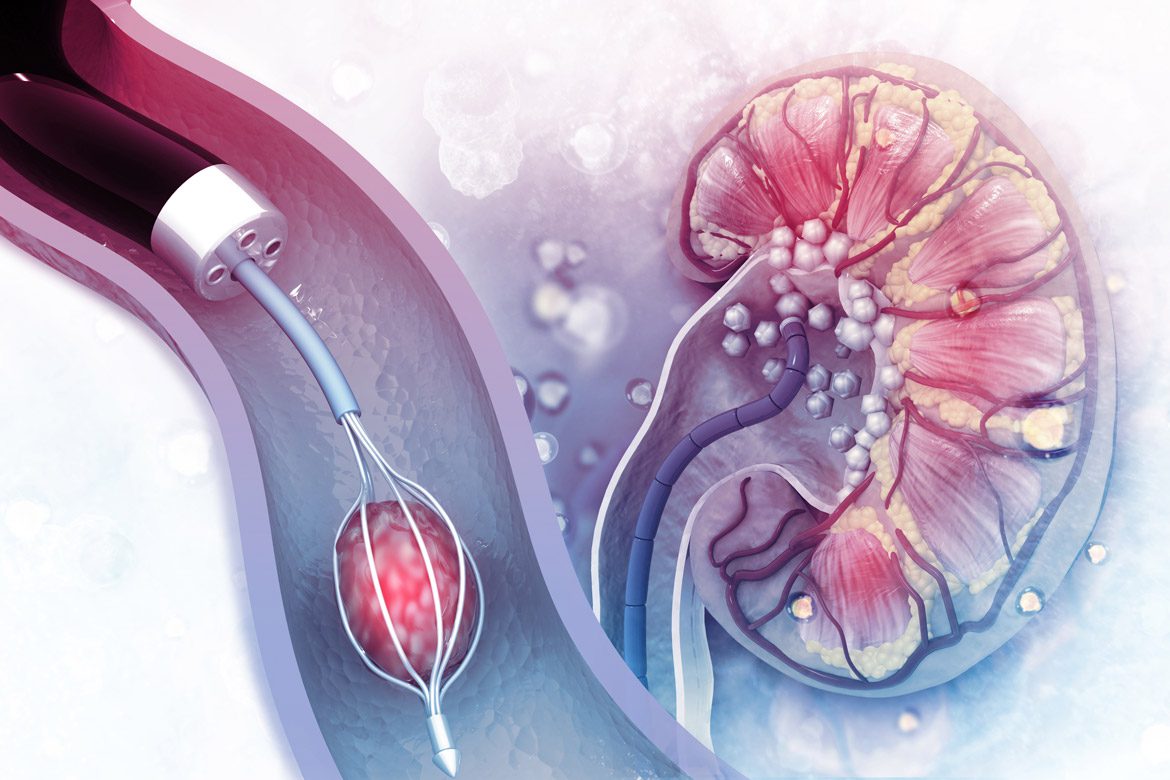
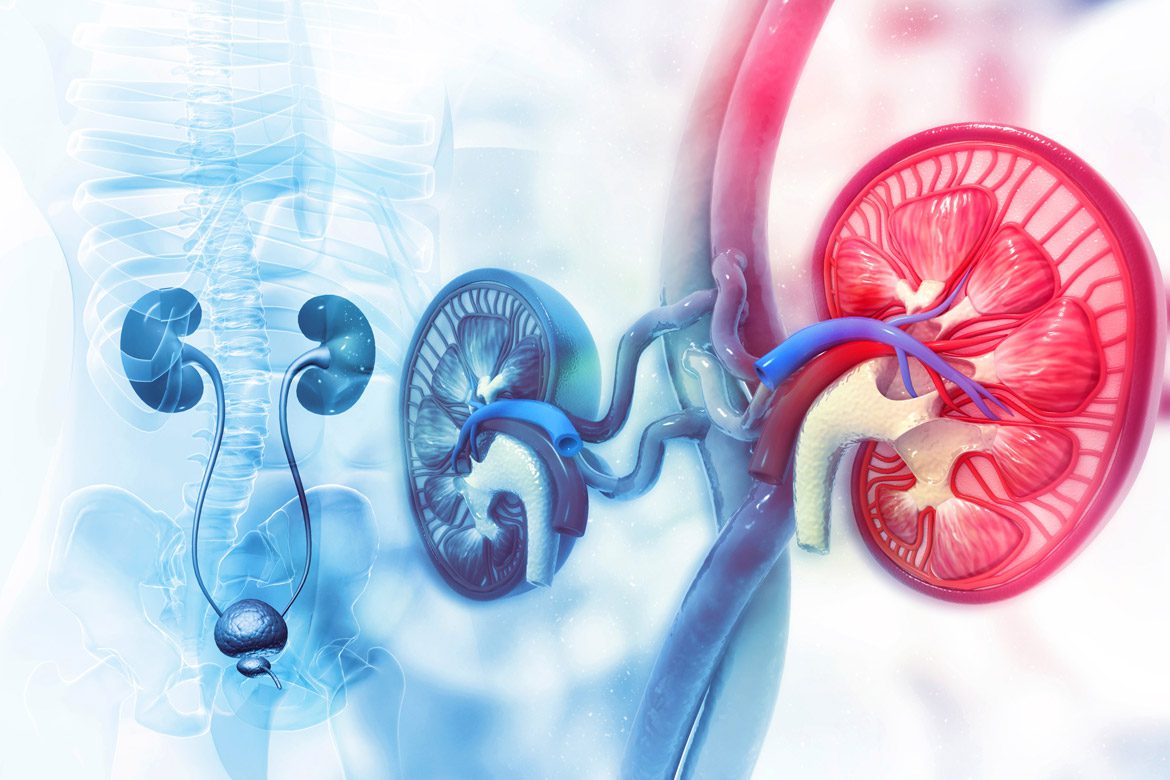
Artificial-kidney-and-ureter-model-on-doctor’s-table

Stone prevention counseling is a personalized approach designed to help patients reduce their risk of recurrent kidney stones. After a thorough evaluation of a patient’s medical history, stone composition, and urinary risk factors, urologists offer targeted guidance to minimize stone formation through lifestyle and dietary changes.

Key Components of Stone Prevention Counseling

  • 24-Hour Urine Testing: Identifies metabolic abnormalities such as high calcium, oxalate, or uric acid levels that contribute to stone formation.
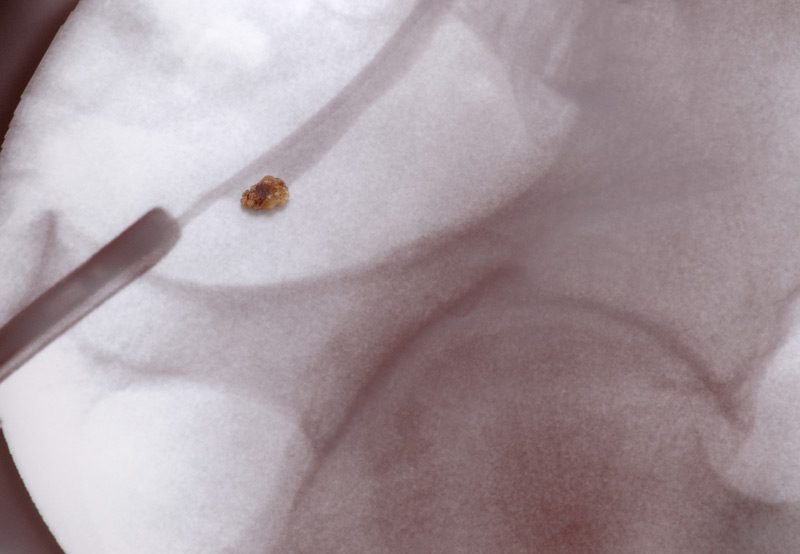
  • Stone Analysis: Determines the type of kidney stone (e.g., calcium oxalate, uric acid, struvite) to guide specific preventive strategies.
  • Dietary Modifications: May include increasing fluid intake, reducing sodium and animal protein, or adjusting oxalate-rich foods depending on stone type.
  • Medication Management: In some cases, medications such as thiazide diuretics, potassium citrate, or allopurinol are prescribed to correct urinary imbalances.
  • Lifestyle Adjustments: Weight management, physical activity, and attention to hydration habits are part of a holistic prevention plan.
CONTACT US TODAY
Woman-holding-kidney-stone

By identifying the underlying causes of stone formation and tailoring recommendations to individual needs, stone prevention counseling helps patients avoid future episodes and maintain better urologic health. Regular follow-up is often recommended to monitor progress and adjust the prevention plan as needed.