Management of BPH

Man-with-groin-discomfort-consulting-doctor
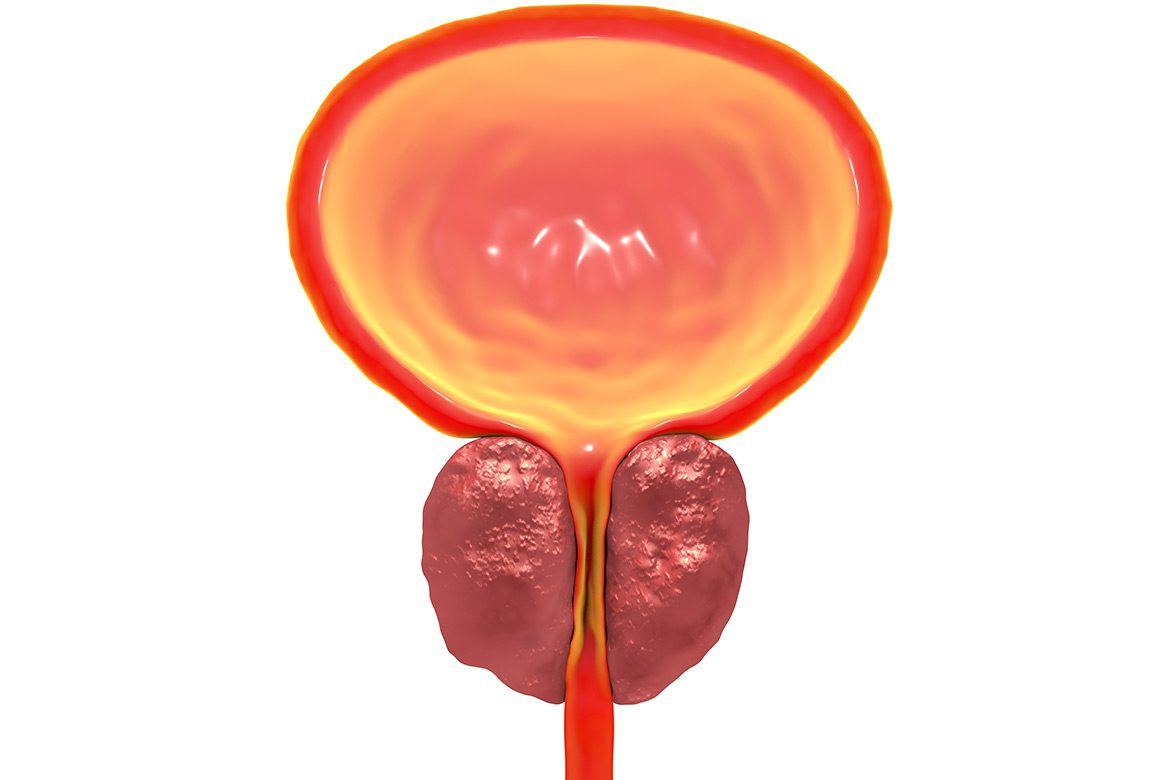
3D-illustration-of-prostate-diseases

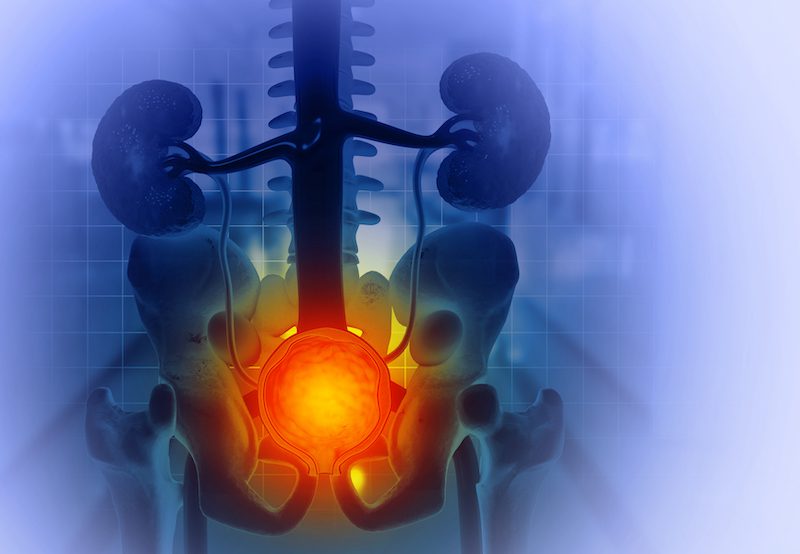
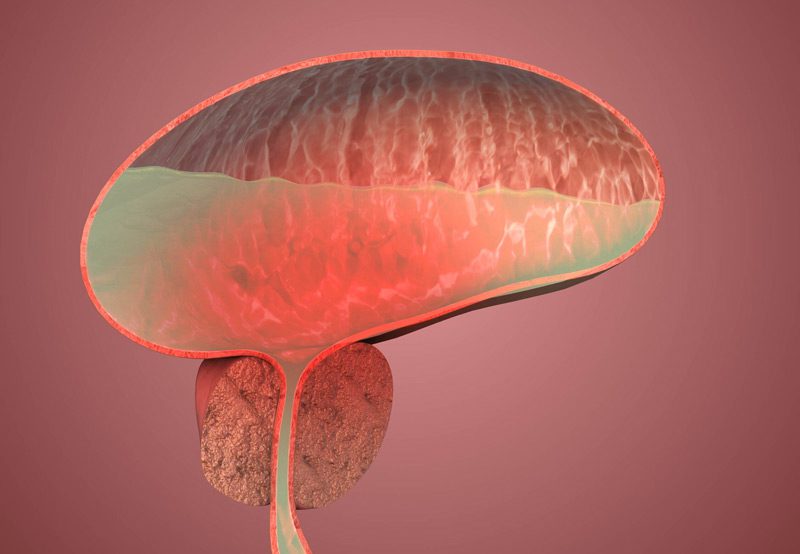
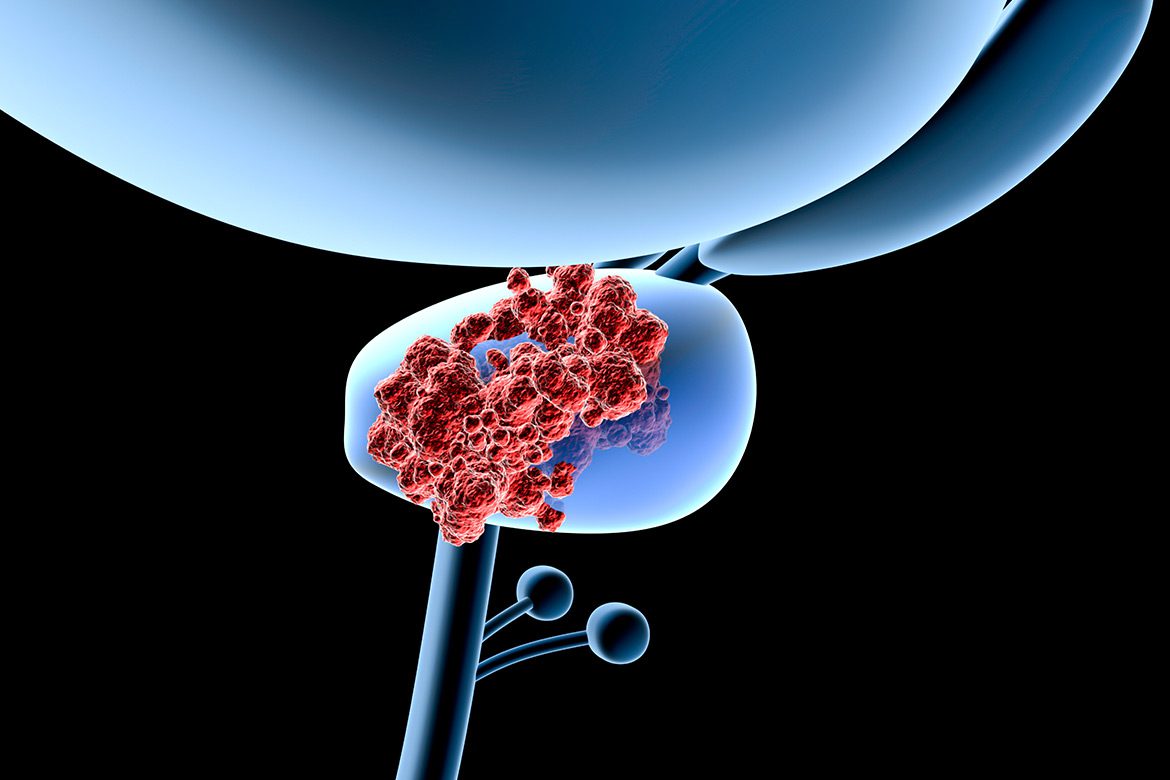
Benign Prostatic Hyperplasia (BPH) is a noncancerous enlargement of the prostate gland that commonly affects men as they age. The condition can cause bothersome urinary symptoms such as frequent urination, weak stream, urgency, and incomplete bladder emptying. Fortunately, several treatment options are available to manage BPH, depending on the severity of symptoms and patient preferences.

Lifestyle & Behavioral Modifications

  • Fluid Management: Reducing evening fluid intake to decrease nighttime urination.
  • Bladder Training: Timed voiding and pelvic floor exercises to improve bladder control.
  • Caffeine & Alcohol Reduction: Limiting bladder irritants that worsen urgency and frequency.
CONTACT US TODAY
Image-of-benign-prostatic-hyperplasia

Medication Therapy

  • Alpha-Blockers: Relax the muscles in the prostate and bladder neck to improve urine flow (e.g., tamsulosin, alfuzosin).
  • 5-Alpha Reductase Inhibitors: Shrink the prostate over time by lowering hormone levels (e.g., finasteride, dutasteride).
  • Combination Therapy: Uses both medication types to enhance symptom relief.
  • PDE5 Inhibitors: In select cases, medications like tadalafil may improve both BPH and erectile dysfunction.

Surgical Options

  • Holmium Laser Enucleation of the Prostate (HoLEP): A gold standard laser-based technique ideal for any sized prostate with minimal bleeding.
  • Robotic Simple Prostatectomy: Reserved for significantly enlarged prostates and involves removing the inner part of the gland.
  • Aquablation®: A robot-assisted, ultrasound-guided therapy that uses a high-velocity waterjet to remove prostate tissue. Offers a higher chance to preserve ejaculation, but is a less durable procedure.

Personalized Treatment Plans

The choice of BPH treatment depends on prostate size, symptom severity, overall health, and patient goals. Many men start with lifestyle adjustments and medications, while others may require a procedural or surgical approach for long-lasting relief. Regular follow-up with a urologist is key to monitoring progression and adjusting treatment as needed.