Bladder Stone Removal

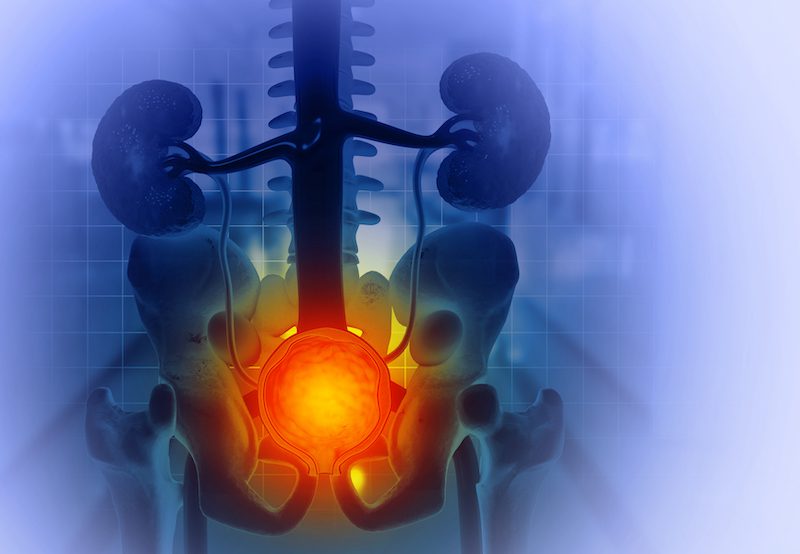
Male-with-pain-from-bladder-stones
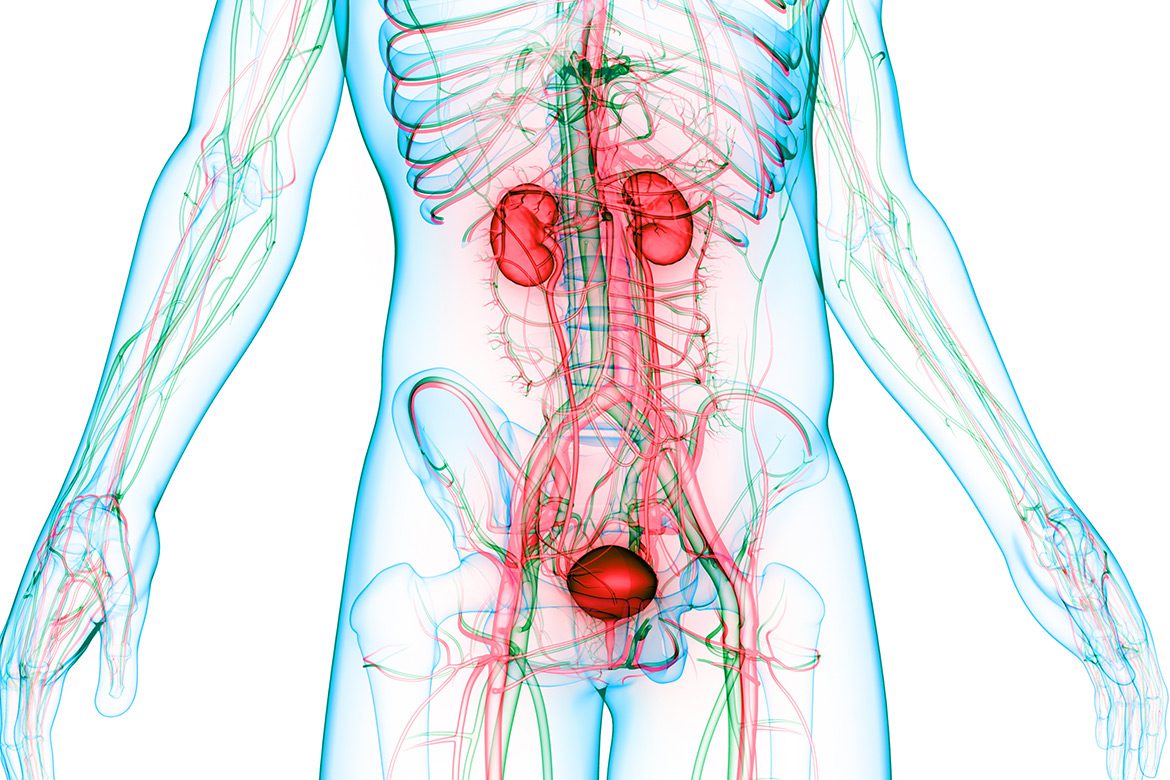
illustration showing where bladder stones occur

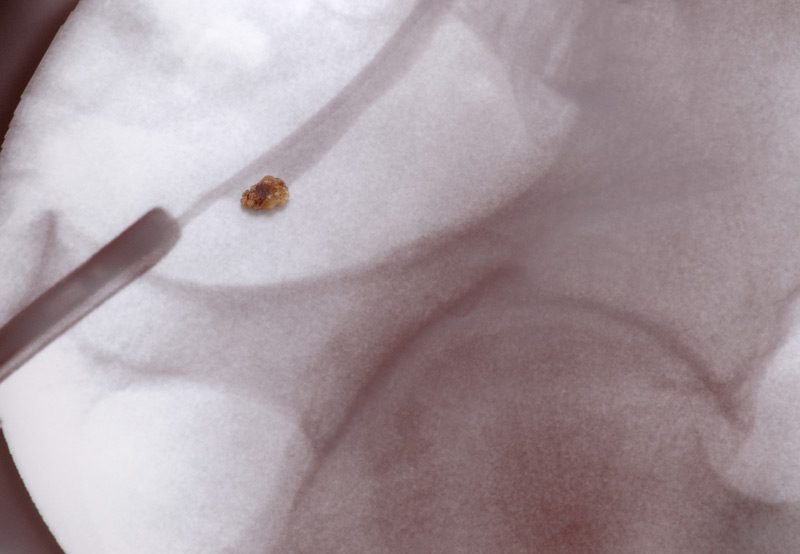
Bladder stone removal is a procedure used to eliminate hard mineral deposits that form when urine becomes concentrated and minerals crystallize inside the bladder. In men, the most common cause of bladder stones is an enlarged prostate (BPH), which blocks urine flow and prevents the bladder from emptying completely. When urine remains stagnant, stones can develop and progressively worsen.

Because bladder stones often signal significant bladder obstruction, treating the stone without addressing the underlying prostate blockage may lead to recurrence. For this reason, many men benefit from definitive BPH surgery—such as HoLEP—performed at the same time as cystolitholapaxy.

Causes of Bladder Stones

Bladder stones often form due to:

  • Bladder Outlet Obstruction: Commonly from an enlarged prostate (BPH) or urethral stricture.
  • Incomplete Bladder Emptying: Seen in neurogenic bladder or after certain surgeries.
  • Chronic Urinary Tract Infections (UTIs): Can contribute to stone formation.
  • Foreign Objects or Devices: Catheters or surgical materials can serve as a base for stone formation.
CONTACT US TODAY
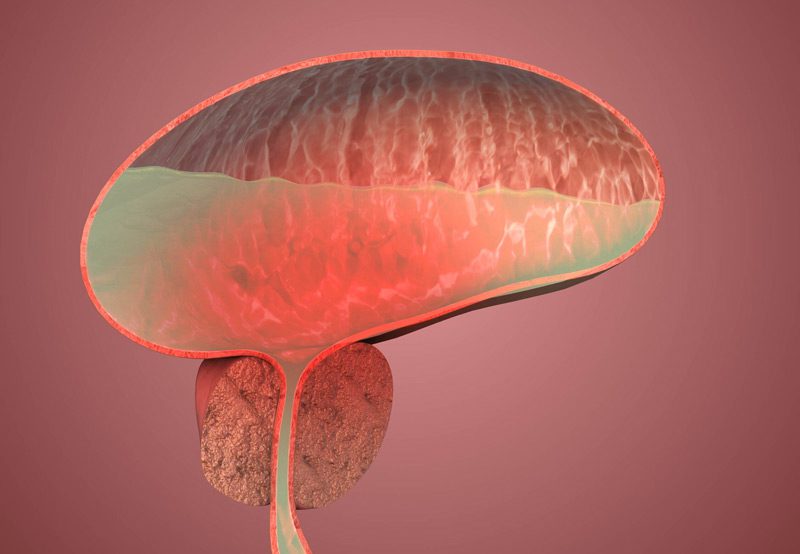
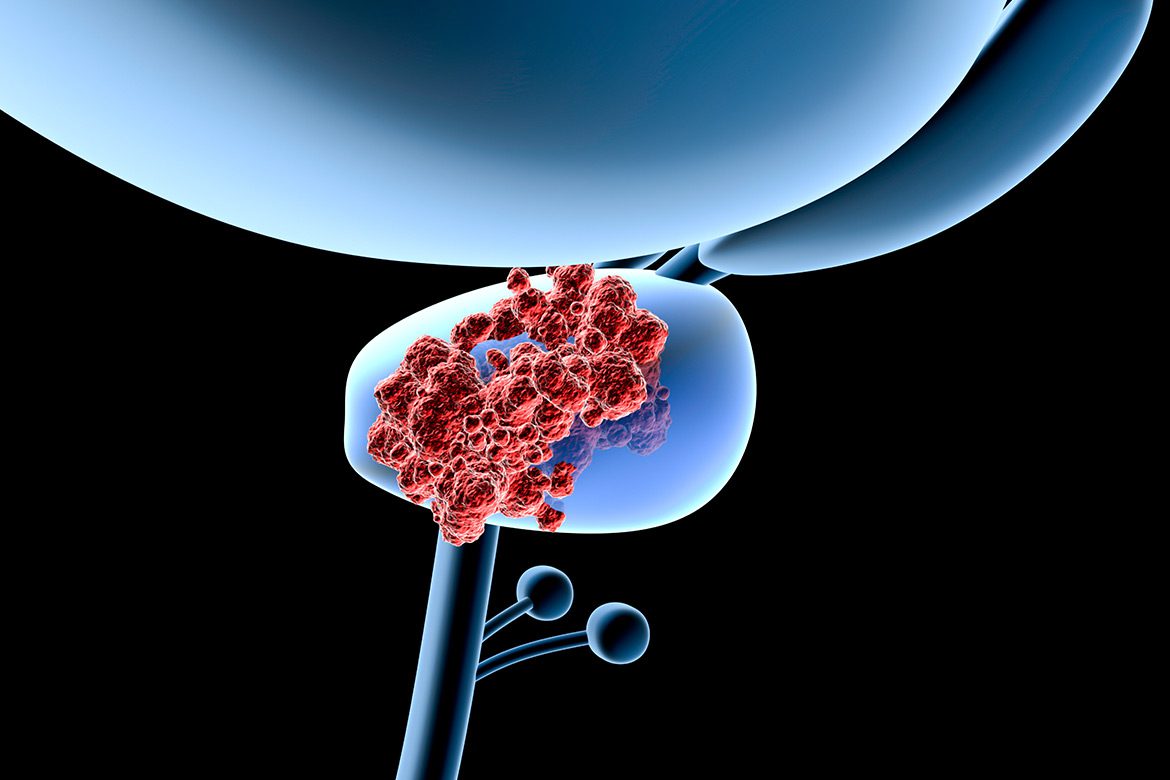
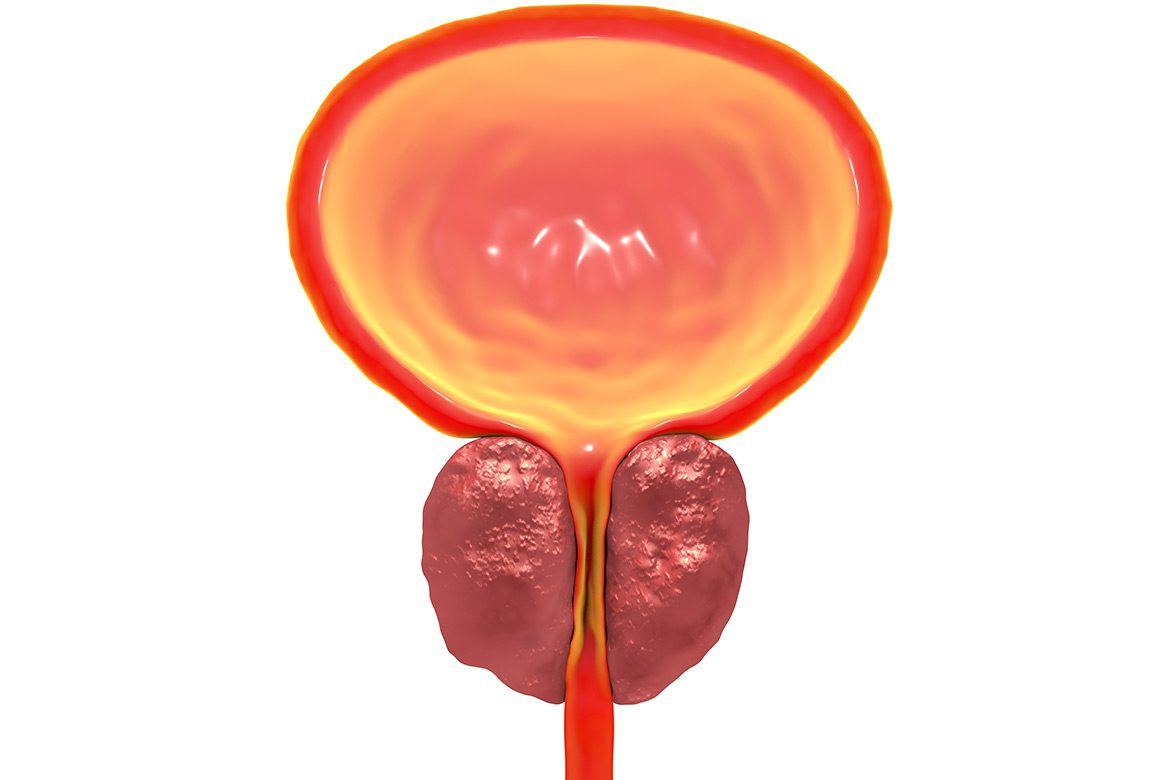
illustration of prostate gland and bladder

Symptoms

Not all bladder stones cause symptoms, but common signs may include:

  • Painful or difficult urination
  • Blood in the urine (hematuria)
  • Frequent urination, especially at night
  • Lower abdominal or pelvic pain
  • Interrupted urine flow

Diagnosis

Diagnosis typically involves:

  • Urinalysis: Checks for blood, crystals, or infection.
  • Bladder Ultrasound, CT or X-ray: Visualizes stones.
  • Cystoscopy: A thin scope inserted into the bladder to directly examine stones.

Treatment Options

The primary goal is to break up or remove the stones and treat any underlying cause. Options include:

Cystolitholapaxy (Endoscopic Stone Removal):

  • The most common method.
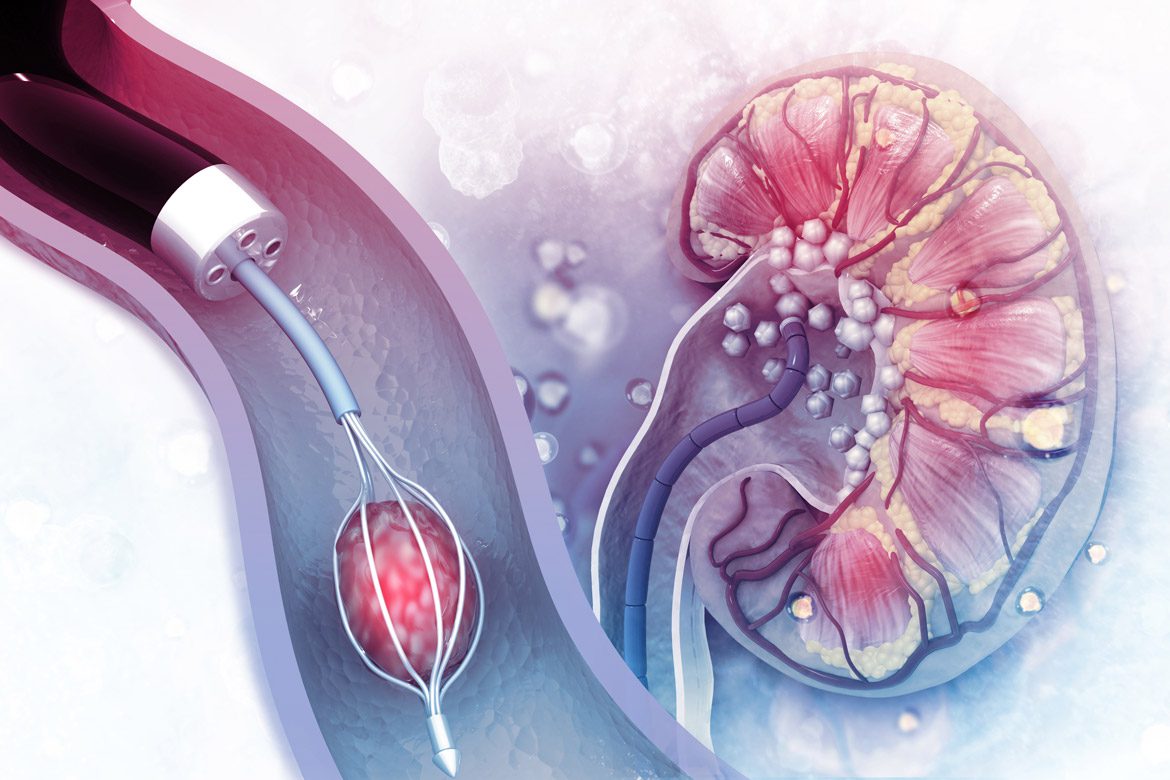
  • A small camera and instrument are inserted through the urethra to break the stone into fragments, which are then washed out of the bladder.
  • Typically performed under general or spinal anesthesia.

Laser Lithotripsy:

  • Uses a laser to break stones into smaller pieces.
  • Often combined with cystolitholapaxy.

Percutaneous Suprapubic Cystolitholapaxy:

  • Used for large or multiple stones.
  • A small incision is made above the pubic bone for access.

Open Surgery:

  • Rarely needed but may be required for very large stones or anatomical abnormalities.

Aftercare and Prevention

Post-procedure recovery is typically quick, especially with minimally invasive approaches. Prevention focuses on treating the cause (e.g., relieving bladder obstruction or managing infections) and ensuring complete bladder emptying. Staying well-hydrated and regular urologic follow-up can help reduce recurrence.