Lower Urinary Tract Symptoms (LUTS) in Men

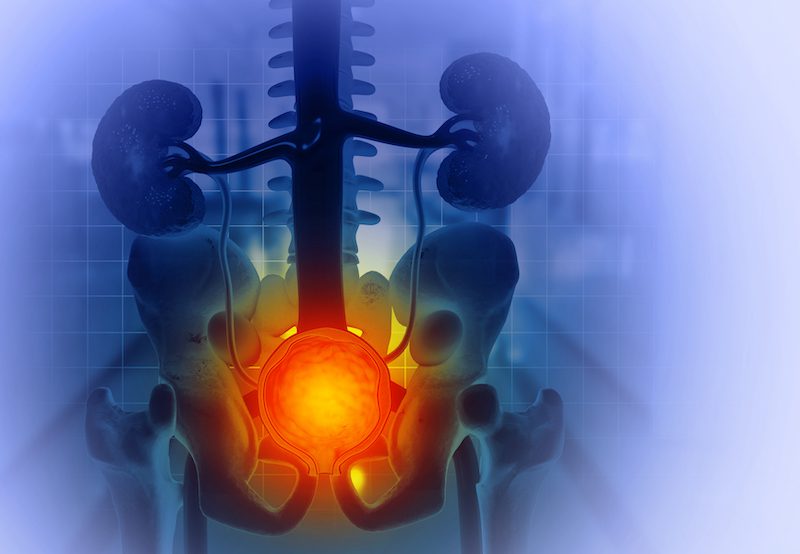
man sitting with discomfort at doctor's office
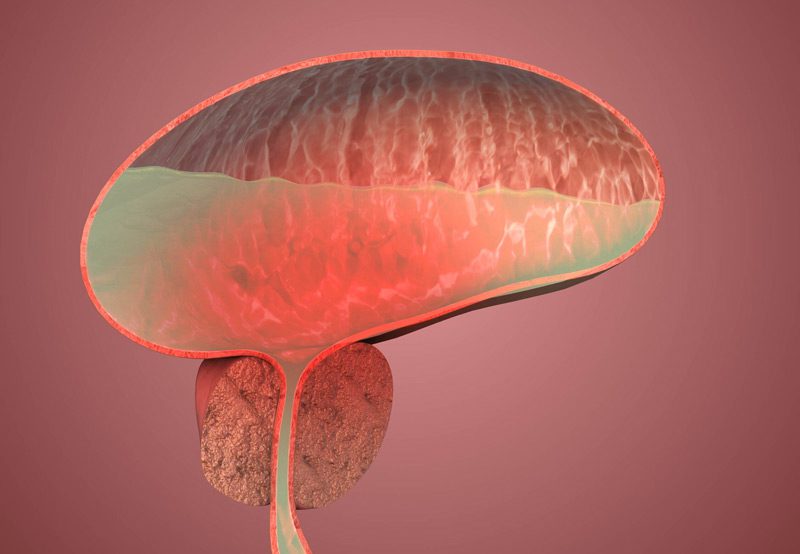
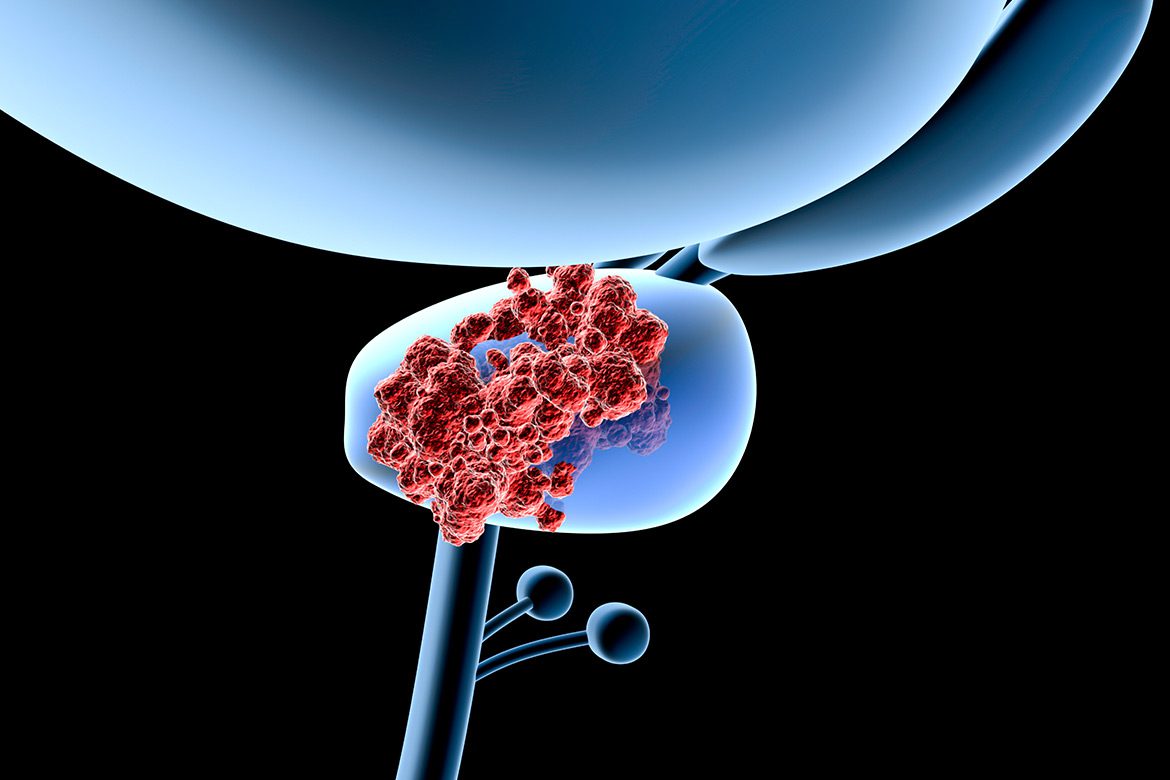
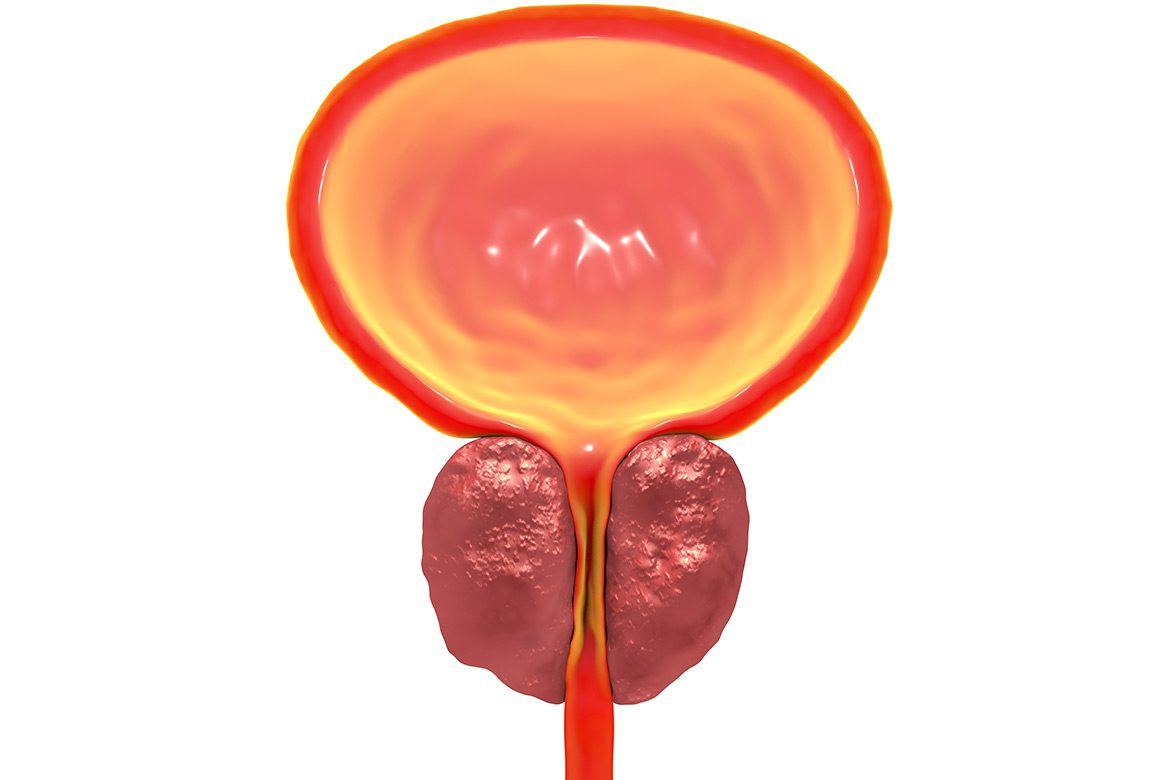
illustration of bladder and prostate

Lower urinary tract symptoms (LUTS) in men refer to urinary issues related to the bladder, urethra, or prostate. These symptoms become more common with age—especially in men over 40—and are often linked to benign prostatic hyperplasia (BPH), although many other conditions can contribute. LUTS can significantly affect quality of life, sleep, and daily functioning, making proper evaluation important.

Types of LUTS in Men

LUTS are grouped into three categories:

1. Storage Symptoms

Difficulty storing urine:

  • Urgency (strong, sudden need to urinate)
  • Frequent urination
  • Nocturia (waking at night to urinate)
  • Urge incontinence

2. Voiding Symptoms

Difficulty emptying urine:

  • Weak or slow urinary stream
  • Hesitancy (trouble starting flow)
  • Intermittent stream
  • Straining to urinate
  • Feeling of incomplete emptying

3. Post-Micturition Symptoms

After urinating:

  • Post-void dribbling
  • Persistent feeling of not fully emptying
CONTACT US TODAY
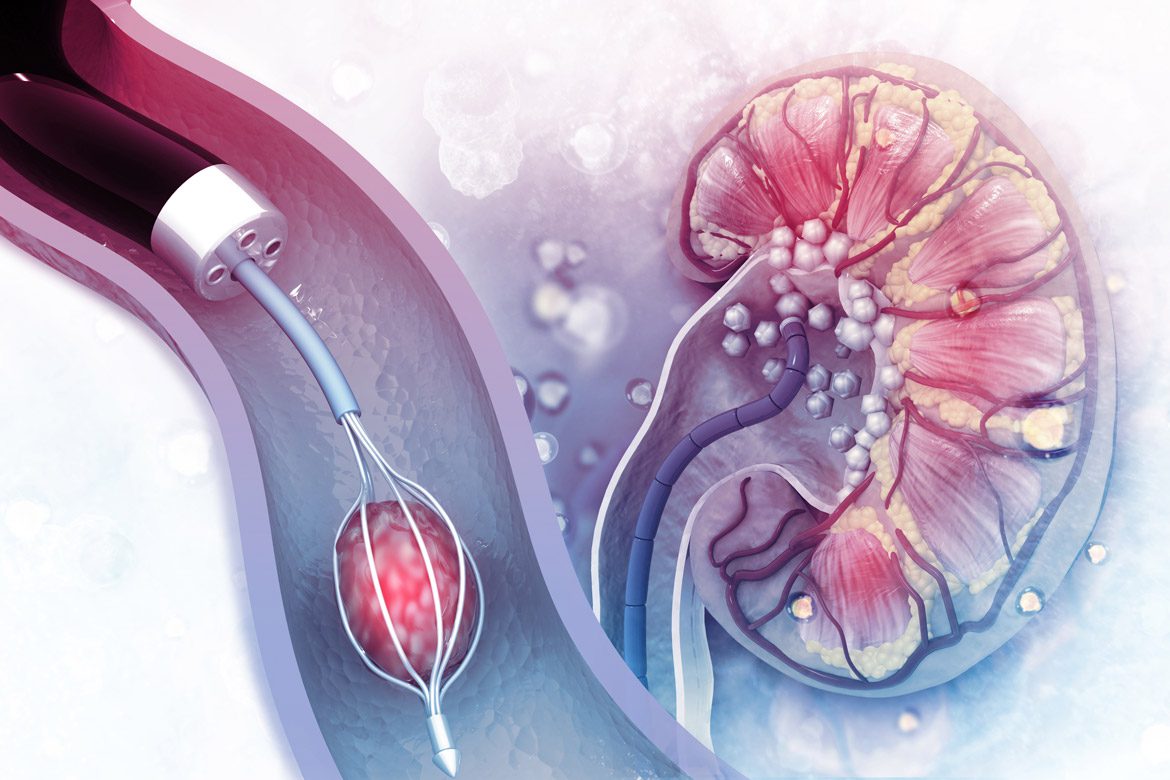
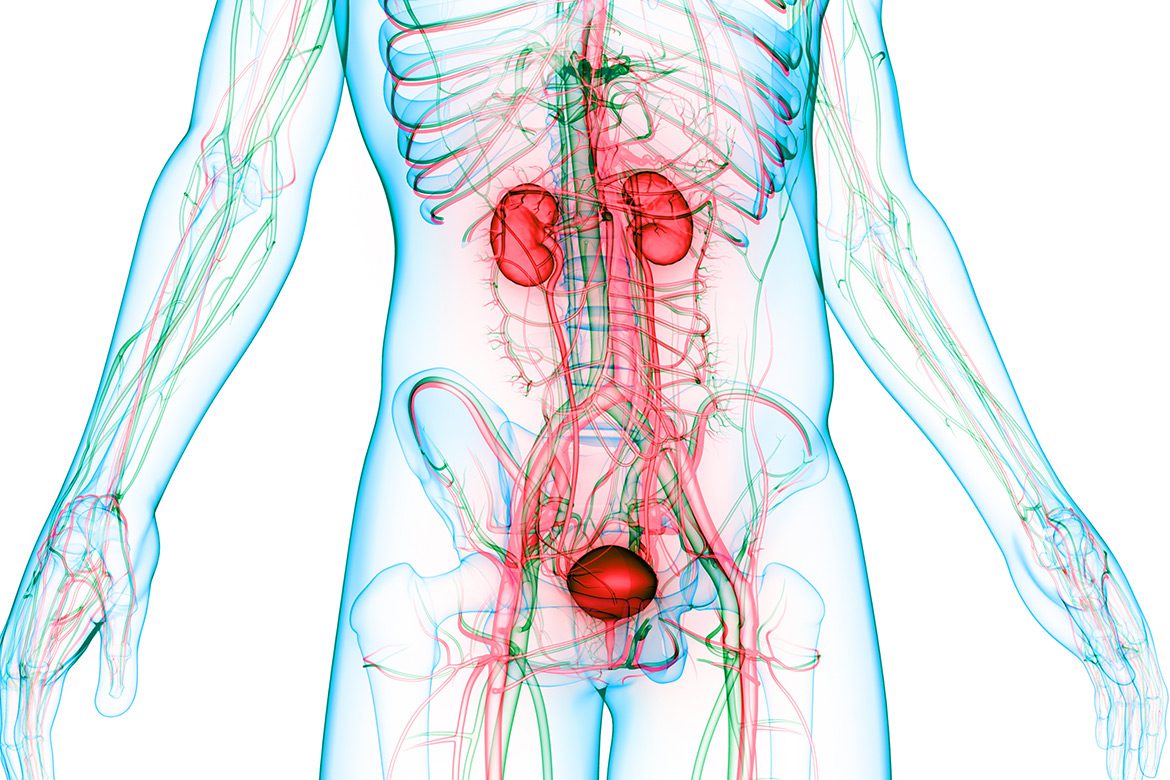
Illustration-of-human-urinary-system-showing-kidneys-and-bladder-anatomy

Common Causes in Men

Several conditions can cause LUTS:

  • Benign Prostatic Hyperplasia (BPH): Enlarged prostate compresses the urethra, causing weak stream, hesitancy, and incomplete emptying.
  • Overactive Bladder (OAB): Bladder muscle overactivity leads to urgency, frequency, and nocturia.
  • Urethral Stricture: Scar tissue narrows the urethra and reduces urinary flow.
  • Chronic Prostatitis / Pelvic Pain Syndrome: Can cause urinary frequency, pain, and discomfort.
  • Urinary Tract Infection (UTI): Less common in men, but can cause burning, urgency, and frequency.
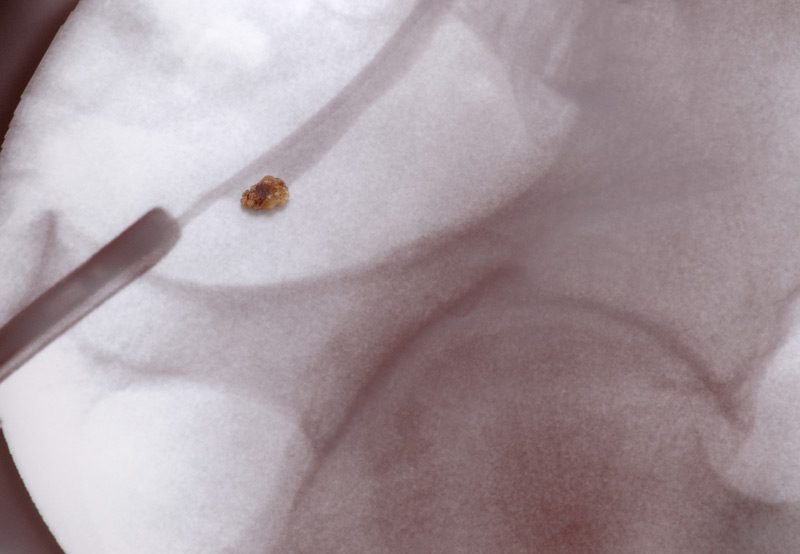
  • Bladder Stones: Often form when the bladder doesn’t empty well, and can cause irritation or obstruction.
  • Neurologic Disorders: Stroke, spinal injury, multiple sclerosis, and diabetic neuropathy can affect bladder function.
  • Medications: Decongestants, antihistamines, antidepressants, and opioids may worsen LUTS.

Diagnosis

A thorough evaluation helps identify the cause:

  • History and Physical Exam, including prostate exam (DRE)
  • Urinalysis: Screens for blood or infection
  • Post-Void Residual (PVR): Measures how well the bladder empties
  • Uroflowmetry: Assesses urinary flow strength
  • PSA Testing: When appropriate to evaluate prostate health
  • Cystoscopy: Direct visualization of the urethra and prostate
  • Urodynamic Testing: For complex or unclear cases
  • Prostate ultrasound or CT to assess prostate size

Treatment Options

Treatment is individualized based on symptom severity, prostate size, and underlying diagnosis.

Lifestyle Modifications

  • Managing evening fluid intake
  • Reducing caffeine, alcohol, and bladder irritants
  • Bladder training and timed voiding
  • Pelvic floor therapy (yes—helpful for men)

Medications

  • Alpha-blockers: Improve urinary flow
  • 5-Alpha-Reductase Inhibitors: Shrink the prostate over months
  • Combination Therapy: For men with enlarged prostates and significant symptoms
  • OAB Medications: Anticholinergics or β3-agonists for urgency/frequency

Definitive Surgical Treatments

  • HoLEP (Holmium Laser Enucleation of the Prostate): The most durable and size-independent treatment for enlarged prostates.
  • Aquablation: Robotic waterjet therapy, excellent for medium-to-large glands.
  • TURP (Transurethral Resection of the Prostate): Traditional surgical option for moderate-size glands.
  • Urethral Surgery: For urethral strictures (dilation, urethrotomy, or urethroplasty).

Follow-Up and Monitoring

Men with LUTS benefit from ongoing monitoring to ensure stable bladder function and prostate health. Follow-up may include repeat symptom assessment, uroflowmetry, imaging, and PSA testing when indicated. Early evaluation and tailored treatment help prevent complications such as urinary retention, bladder damage, and recurrent infections.