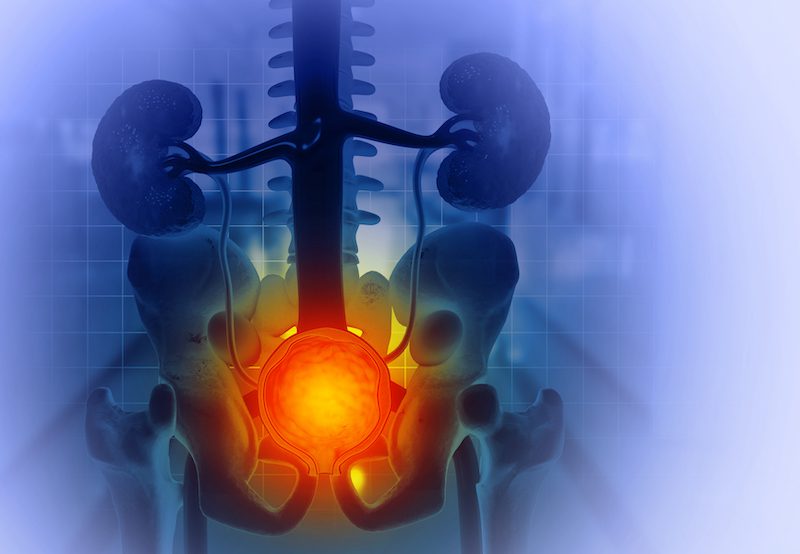
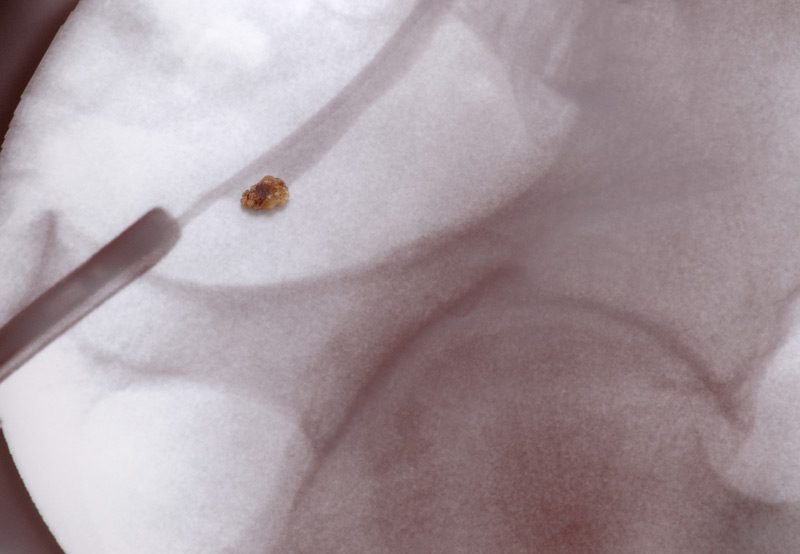
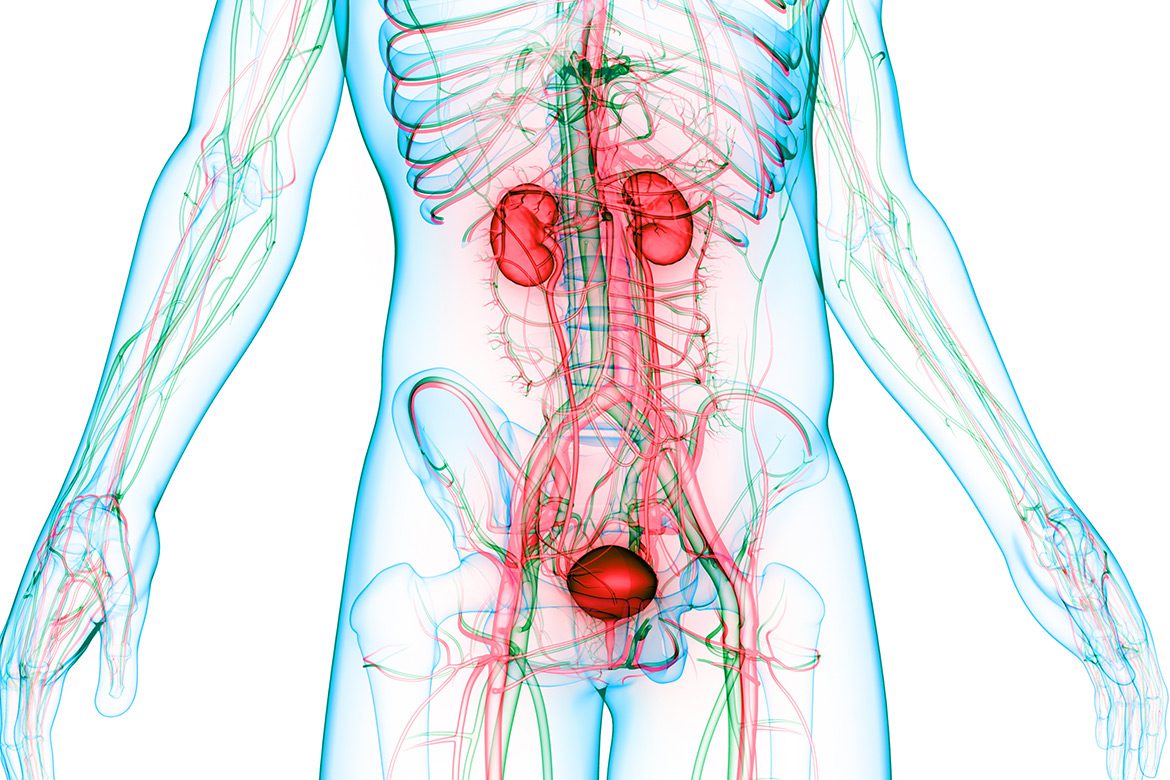
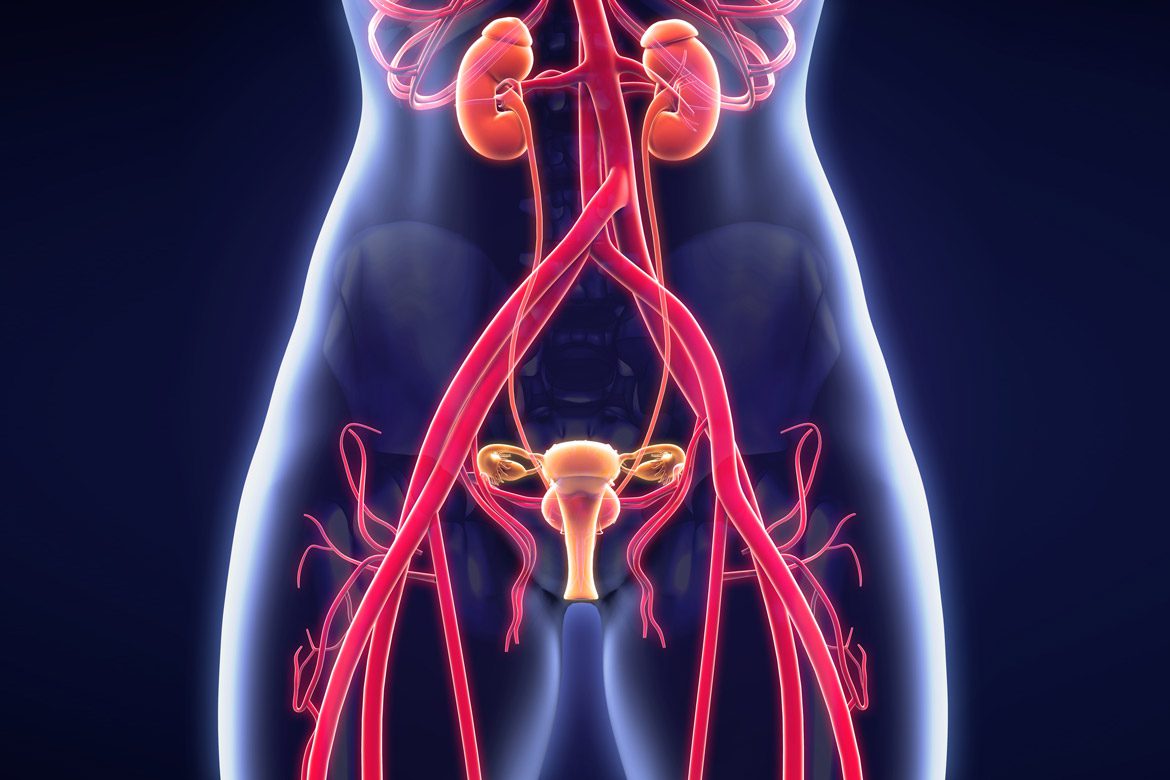
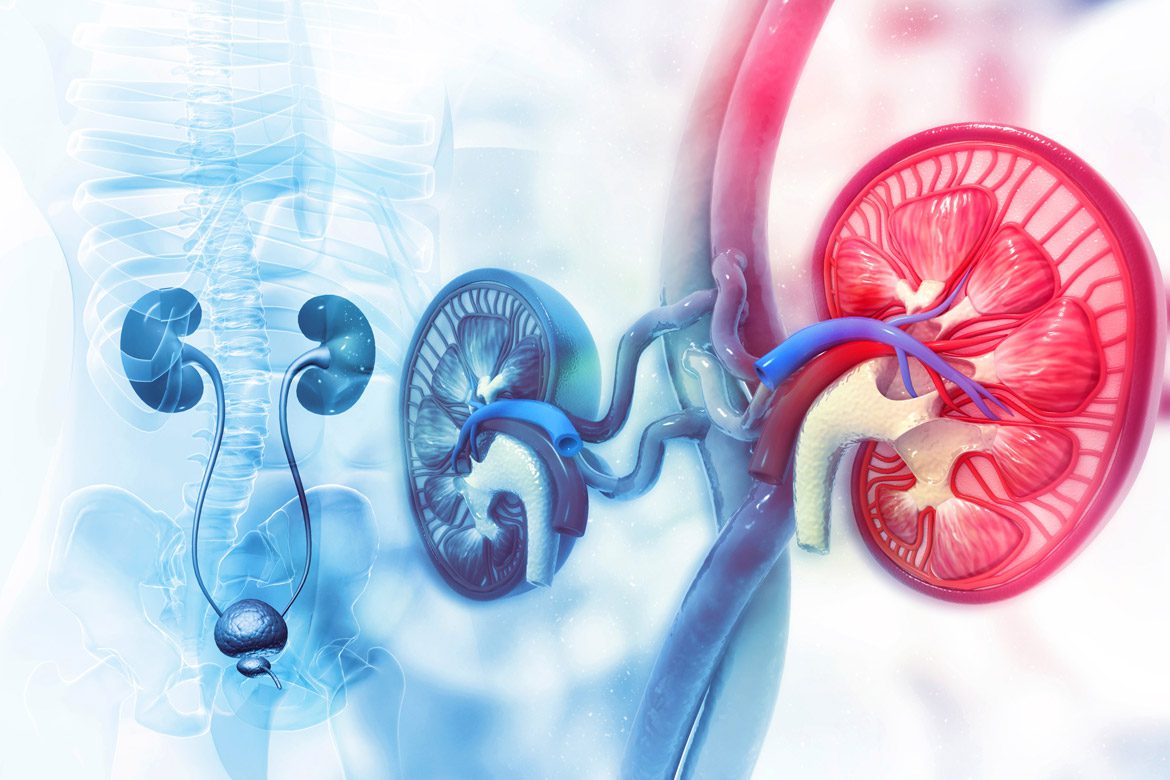
Ureter stones are kidney stones that have traveled into the ureter—the narrow tube that carries urine from the kidney to the bladder. Because the ureter is only several millimeters wide, even small stones can cause severe pain and block the flow of urine.
Causes
Ureter stones originate in the kidney and then migrate into the ureter. Common contributing factors include:
- Dehydration: Concentrated urine promotes crystal formation.
- High Sodium or Animal Protein Intake: Increases urinary calcium or uric acid.
- Genetic Predisposition: Family history increases lifetime risk.
- Underlying Medical Conditions: Such as gout, hyperparathyroidism, or recurrent urinary tract infections.

Symptoms
The movement of a stone into the ureter can produce sudden, severe symptoms, including:
- Sharp pain in the back, side, or lower abdomen (renal colic)
- Nausea and vomiting
- Hematuria (blood in the urine)
- Urinary urgency or difficulty passing urine
- Fever or chills (if infection is present)
Diagnosis
Evaluation typically involves:
- Imaging: A non-contrast CT scan is the most accurate way to locate and size a ureteral stone.
- Urinalysis: Detects blood, crystals, or signs of infection.
- Blood Tests: Assess kidney function and check for elevated calcium or uric acid levels.
Treatment Options
Treatment is based on the stone’s size, location, and the severity of symptoms.
Conservative Management:
- For smaller stones, patients may pass the stone naturally with hydration and medications like alpha-blockers to relax the ureter.
- Pain is managed with anti-inflammatory drugs or narcotics as needed.
Interventional Procedures:
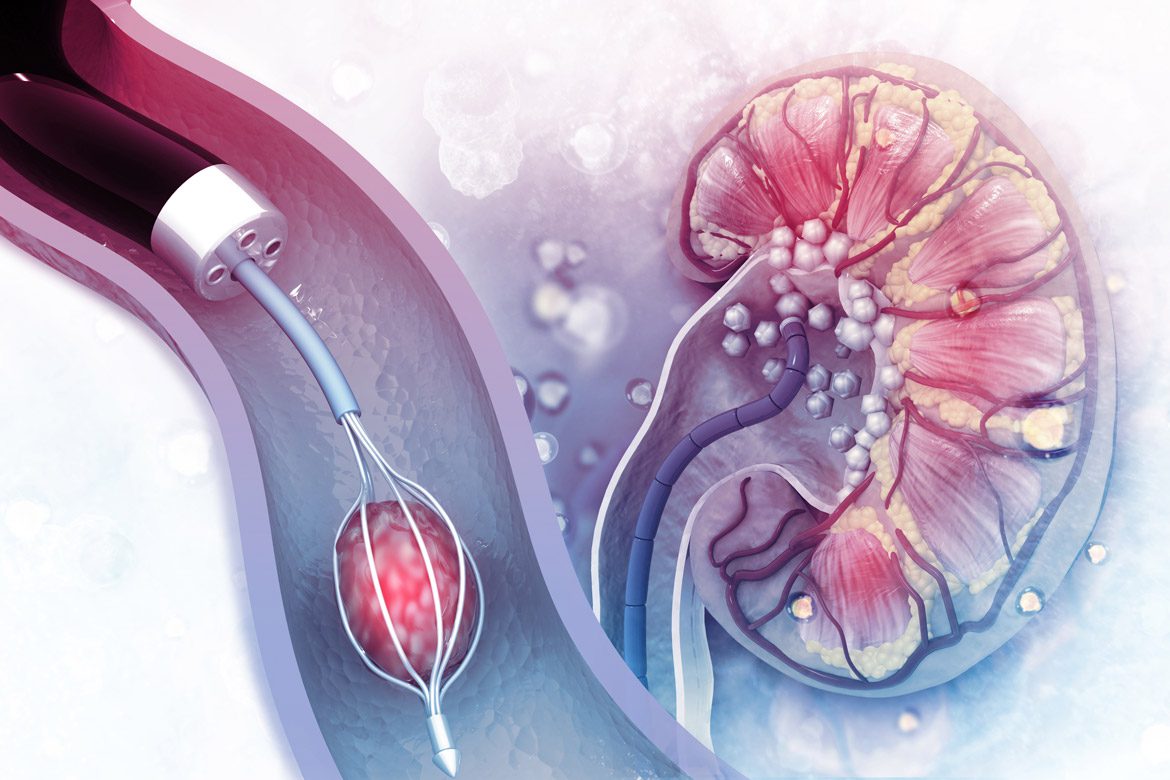
- Ureteroscopy with Laser Lithotripsy: A small scope is passed through the urethra and bladder into the ureter to locate and break up the stone with a laser.
- Ureteral Stent Placement: A temporary stent may be placed to relieve obstruction, manage infection, or support healing after stone removal by keeping the ureter open.
- Nephrostomy Tube Placement: A drainage tube may be inserted through the back directly into the kidney to relieve obstruction—especially in the setting of infection or severe blockage.
- Percutaneous Nephrolithotomy (PCNL): A minimally invasive surgical approach reserved for large, impacted, or complex stones.
Prevention
After treatment, preventing stone recurrence is important:
- Increase Fluid Intake: Aim for at least 2–2.5 liters of urine output daily.
- Dietary Changes: Tailored based on the type of stone (e.g., reducing oxalate, sodium, or animal protein).
- Metabolic Evaluation: A 24-hour urine collection can identify risk factors.
- Medication: Thiazide diuretics, citrate supplements, or other medications may help reduce recurrence.
Timely treatment of ureter stones helps prevent infection, kidney injury, and long-term complications. Because recurrence is common, ongoing urologic follow-up and lifestyle modifications are essential for maintaining kidney health.