
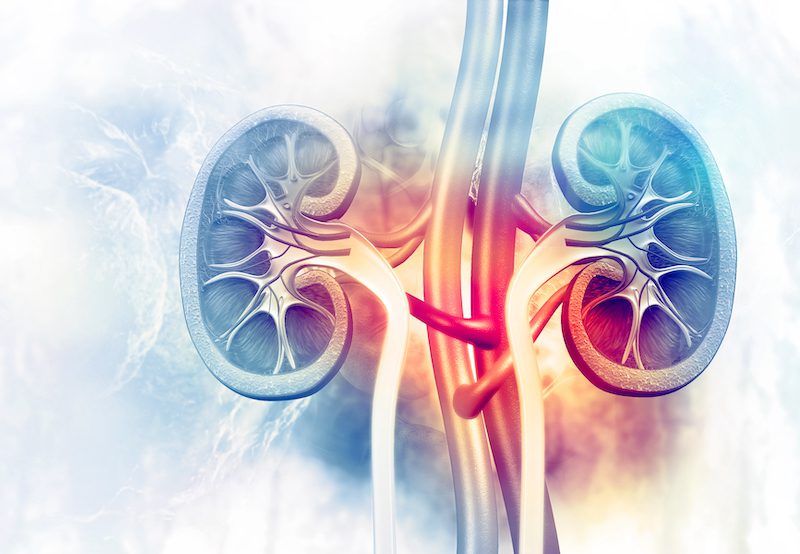
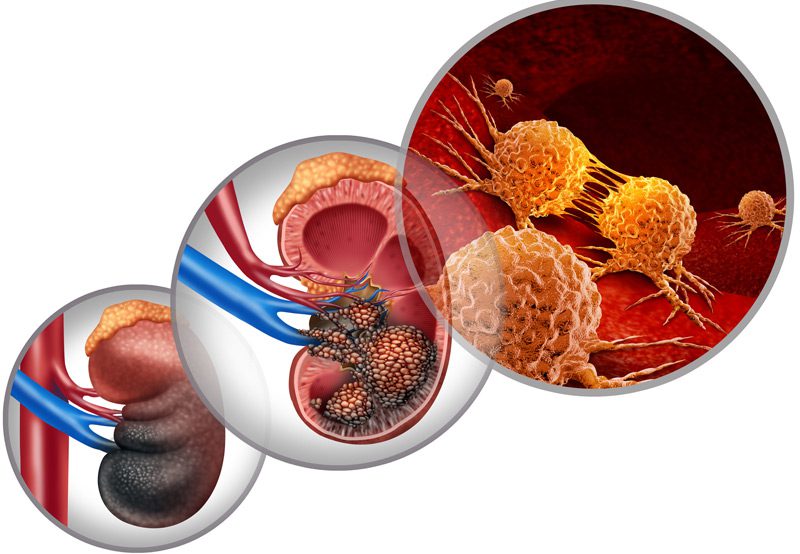
Kidney tumors and masses are abnormal growths that develop within or on the kidney. These can be benign (non-cancerous) or malignant (cancerous). Not all kidney masses require immediate treatment, but accurate diagnosis is essential to determine the safest and most effective management plan. Many kidney masses are discovered incidentally during imaging performed for unrelated health concerns.
Types of Kidney Masses
- Simple Renal Cysts: Fluid-filled sacs that are almost always benign and typically require no treatment unless they cause symptoms.
- Complex Cysts: May contain septations, calcifications, or solid areas and carry a higher risk of cancer. Further evaluation is often recommended.
- Angiomyolipomas: Benign tumors composed of blood vessels, muscle, and fat. Larger AMLs can bleed and may require monitoring or treatment.
- Oncocytomas: Benign solid tumors that are sometimes difficult to distinguish from cancer without biopsy or surgery.
- Renal Cell Carcinoma (RCC): The most common kidney cancer in adults.
- Transitional Cell Carcinoma: A less common kidney cancer that originates in the lining of the renal pelvis, related to bladder cancers.

Symptoms
Small kidney tumors are often asymptomatic. When symptoms are present, they may include:
- Blood in the urine (hematuria)
- Flank or abdominal pain
- A noticeable lump or mass in the abdomen
Diagnosis
Determining the nature of a kidney mass typically involves:
- Imaging Tests: CT scans, MRIs, and ultrasounds help identify size, location, and characteristics.
- Blood and Urine Tests: Assess kidney function and look for signs of malignancy.
- Renal Mass Biopsy: May be performed in select cases to determine if a mass is cancerous, particularly when surveillance is being considered.
Treatment Options
- Active Surveillance: For small, slow-growing, or indeterminate masses—especially in older patients or those with other medical issues.
- Partial Nephrectomy: Surgical removal of the tumor while preserving the remaining kidney. This is often preferred for small or favorably located tumors.
- Radical Nephrectomy: Removal of the entire kidney, typically recommended for large, invasive, or high-risk tumors.
- Ablative Therapies: Cryoablation or radiofrequency ablation may be used for select small tumors, especially in patients who are not ideal surgical candidates.
- Minimally Invasive Approaches: Robotic or laparoscopic surgery can reduce pain, blood loss, and recovery time.
Follow-Up Care
Regular monitoring is important to assess for recurrence, growth, or development of new masses. Follow-up typically includes periodic imaging and lab tests. Your urologist will tailor a surveillance schedule based on your specific diagnosis, treatment, and long-term kidney health.